


For most of the Comstock era (1860s to1880s), the towns of Gold Hill and Virginia City, Nev., were friendly rivals competing in prodigious ore production. Both cities were built on top of the great silver lode in western Nevada that created all the excitement. But once the mines went into decline in the latter part of the 19th Century and most people left, only the name Virginia City remained as the legendary epicenter of the famed silver bonanza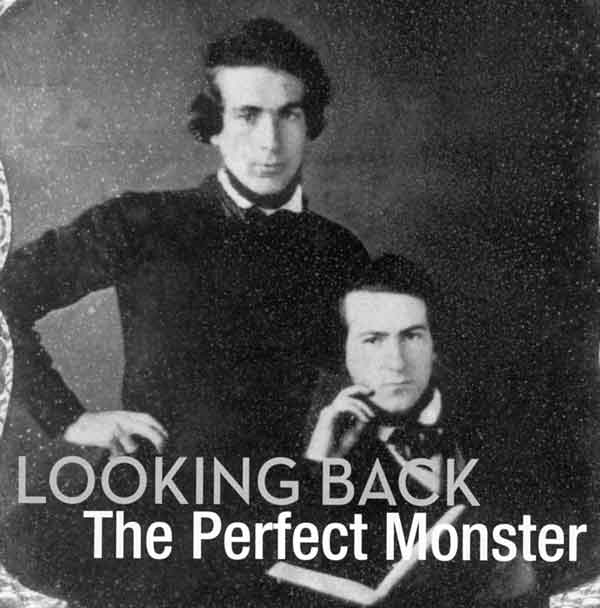
The Grosh brothers discovered the Comstock silver first. | Courtesy Nevada Historical Society
Much of Virginia City’s infrastructure survived the ghost town days until it rose again as a popular tourist destination, a role it sustains today. Gold Hill, however, lost most of its buildings to fire or to salvage. Gold Hill was established in January 1859, two months before Virginia City, when prospectors discovered a rich gold deposit in a flat-topped hill 60 feet high and 500 feet long. While the Comstock is known primarily for its silver production, miners at Gold Hill were digging out gold until their excavation went deeper and hit the great silver lodes.
Gold Hill has struggled over the past century, but the recent reconstruction and activation of the Virginia and Truckee Railroad that runs through the town, and weekly lecture and performance programs held at the historic Gold Hill Hotel, inspire history buffs to visit this resurrected ghost town for exploration.
[blockquote3]
“While other miners in the Washoe District kicked and cursed the mucky blue stuff, the Grosh boys were discovering that Gold Hill was bursting with rich veins of silver-bearing quartz.”
[/blockquote3]
During a recent visit to the Gold Hill and nearby Silver City cemeteries, I came across two tombstones that deserve special mention: the Silver City gravesites of Hosea B. Grosh and his older brother, Ethan. They were sons of a Pennsylvania minister who had studied chemistry and mineralogy. The young men were in their early 20s when they sailed from Philadelphia on Feb. 28, 1949, to join the California Gold Rush.
It was a long, arduous trip and the two brothers didn’t reach San Francisco until six months later. Hosea was seriously ill with malaria and dysentery, and much too weak to work. Ethan took care of his younger sibling until his health returned and they began their prospecting during the summer of 1850. In 1853, after several frustrating years in the mines, they traveled from the California gold diggings to join other prospectors searching for precious metal in what was then the Utah Territory.
The Grosh brothers suspected that the dark ore they found there was rich in silver, but the other miners figured it to be worthless lead and shoveled it aside. After three more years picking at the desert mountain slopes, the brothers found two potential ledges. In a letter dated Nov. 3, 1856, they wrote home, “We found two veins of silver at the forks of Gold Canyon. One of these veins of silver is a perfect monster.” They staked a claim and named it “Pioneer.”
There were about 100 grizzled prospectors combing Gold Canyon in 1856 and every one of them cursed the dark, clay-like substance that stuck to their pans and mining rockers. Unaware of the huge silver bonanza beneath their boots, they continued to hunt for their precious nuggets of gold like the one they had in California. The slim pickings inspired little hope for the future, so these early miners spent most evenings betting their meager pouches of gold dust on card games or getting drunk on locally distilled “tarantula juice.”
Serious and secretive about their work, the quiet and sober Grosh brothers kept to themselves. They rarely visited town, and then only to pick up a book or letter from home. Unlike most of the other miners, the Grosh boys were well educated and had training in mineralogy and elementary chemistry. Crammed into their little cabin were a large collection of technical books on mining and geology, as well as two small furnaces, chemical-testing apparatus and various assayers’ tools.
The studious siblings spent their days climbing Mount Davidson gathering rock samples, and their evenings huddled over their books, beakers and ore specimens, trying to unlock the secret of the mysterious substance that had everyone complaining. While other miners in the Washoe District kicked and cursed the mucky blue stuff, the Grosh boys were discovering that Gold Hill was bursting with rich veins of silver-bearing quartz.
Privately, the brothers were beginning to speculate about the untold riches that would be theirs once they began to mine in earnest. In 1857, they wrote their father, “Our first assay was one-half ounce of rock; the result was $3,500 of silver to the ton. We have several other veins which are as yet untouched. We are very sanguine of ultimate success.”
There was one major problem. To develop their silver bonanza, the two brothers needed venture capital to buy equipment and hire workers, but no banker would loan them money unless they disclosed the nature of the investment. The Grosh boys wanted Gold Hill for themselves. After all, they had discovered its mineral secrets. However, their desire for control eventually worked against them.
In August 1857, Hosea struck his foot with a rusty pick and tetanus set in. He died 13 days later. Ethan was determined to continue their research, but he needed more money. He and a friend set out for California for the winter months, but the two men were trapped by a November blizzard while crossing Squaw Valley. Ethan died from severe frostbite and the brothers’ secret fortune was lost. The following June, two Irish miners discovered a rich outcropping of gold and silver quartz and the rest is history. The Comstock mining district was named after Henry Paige Comstock, a shiftless character who loudly claimed the strike was made on his land.
At the Gold Hill cemetery, I also discovered the headstone of the Jones brothers, two young boys who died on Christmas Eve 1871. Henry and John, ages 14 and 10, froze to death in the midst of a snowstorm while attempting to return a calf to their father’s dairy ranch. Adults had warned the boys not to venture into the storm, but their father was known as a brutal man and their fear of punishment forced them to ignore the advice. Although the original headstone was stolen, a new monument was created from an old photograph and dedicated in May 2001. Children’s toys are scattered around the base of the stone in their memory.
Tahoe historian Mark McLaughlin is a nationally published author and professional speaker. His award-winning books are available at local stores or at thestormking.com. You may reach him at mark@thestormking.com. Check out his blog at tahoenuggets.com or read more at TheTahoeWeekly.com.


