


Remember that adage about people who live in glass houses? That for them chucking rocks may be ill advised? Well, interestingly, there are some prime examples of this glass-shattering hypocrisy in the highest strata of the wine world.
Ever heard of the humble wine folk of Old World meccas: Burgundy, Bordeaux and Tuscany? Neither have I because I dare you to find a humble vigneron therein. That’s what makes it all the more delicious that these highbrows are the most egregious violators when it comes to vino ethics.
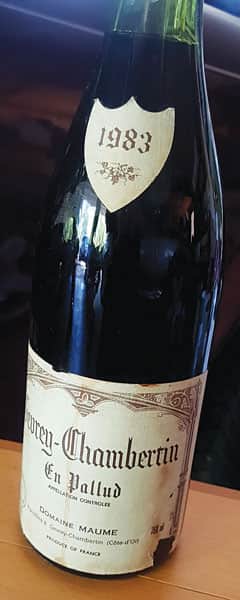
Let’s start in Burgundy: only Pinot Noir in their red wines, strict delineation of the best vineyards, non-interventionist winemaking, etc. Until recently, and maybe still an occasion, some red Rhône juice – think inky Syrah – has somehow transported itself north and right into the vats of Burgundian Pinot. Sacre bleu.
Coincidentally, this occurs mostly in cold years when the Pinot would have otherwise been thin and weedy. Tres chanceux, n’est pas?
[blockquote3]
“I dare you to find a humble vigneron therein.
That’s what makes it all the more delicious that
these highbrows are the most egregious violators
when it comes to vino ethics.”
[/blockquote3]
As for the noninterventionist winemaking issue, the use of oak in Burgundy would put Napa to shame, not to mention the addition of plain old sugar to the juice when the wines look as if they may be a little light in the tail. The French mask this with the term chaptalization, meaning the correction or improvement by the addition of sugar before or during fermentation to increase alcoholic strength.
Just a notch below the Burgs in current wine rank lie the supremely ethical, never-lie-to-you keepers of the wine gospel, the saints of Bordeaux. But, uh, how did that Tannat, a super-dark tannic grape from Algeria or Syrah from the Rhône get in that barrel? Must be divine intervention.
As to the sacred terroir of the classified growths, a château can purchase land in any part of its designated region, aka appellation, and still include it in its Grand Vin, even if the land in question has little in common with the original vineyard. That’s how Lafite and friends produce tens of thousands of cases each year.
Lest we be seen as bashing the French, the other Old World keeper of the holy grail, Italy, is next in our sights. Tuscany’s Comune di Montalcino is arguably the most prized and truly Italian of Italian greats. The Brunello clone of the Sangiovese grape is the only cultivar allowed in a wine labeled, Brunello di Montalcino — period, end of conversation, punishable by terminal purgatory. Except, at least three times in the past 15 years, multiple producers of this expensive juice have been caught adding copious amounts of Merlot.
Oh, the emperor’s new clothes are getting mighty hard to see. Are these practices still going on? Who’s to say because ethics are clearly negotiable. Remember, it’s not illegal to cheat, just to get caught.
Lou Phillips is a Level 3 Advanced Sommelier and his consulting business wineprowest.com assists in the selling, buying and managing wine collections. He may be reached at (775) 544-3435 or lou@wineprowest.com. Visit TheTahoeWeekly.com for more wine columns.


