


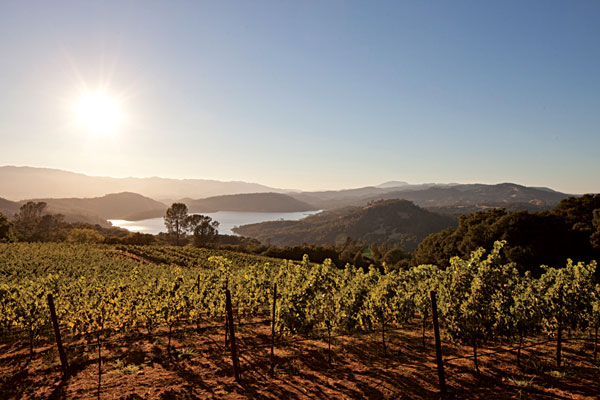
Napa Valley is undeniably one of the world’s greatest wine regions and volcanic activity over the past 150,000 years has much to do with that. This is most prevalent in the eastern Vaca Mountains, as well as its lower hillside vineyards.
I submit as evidence of the greatness of this east-side terroir the presence of such wine icons as Chappellet, Staglin Vineyards, Stag’s Leap Wine Cellars and Shafer Vineyards, as well as a myriad of other standouts that access fruit from this area.
In a more general sense, the soils really make Napa one of the finest wine regions in the world.
In a more general sense, the soils really make Napa one of the finest wine regions in the world. Because while Napa vintners certainly use top winemaking practices, so do many others. And while it has a warm Mediterranean climate necessary to fully ripen Cabernet Sauvignon and the beneficial fog and cooling coastal influence from the Pacific Ocean necessary to retain essential acids, there are many other California wine regions that share these traits. So in addition to those characteristics, what really separates Napa on the wine-grape-growing scale is geology that include more than half of the world’s soil orders.
READ MORE
Discover Lou’s picks for volcanic Italian wines
These create the complex growing medium that provides the right amount of porosity for water drainage, varied but correct amounts of depth and fertility that can be managed to allow the vines to struggle enough, and the myriad other soil characteristics that lead to exceptional wine grapes.
Volcanic mountain and hillside vineyards are defined by sparse alluvial and ferrous soils, calcareous silts and other mineral components that fan out as they descend to the valley floor.
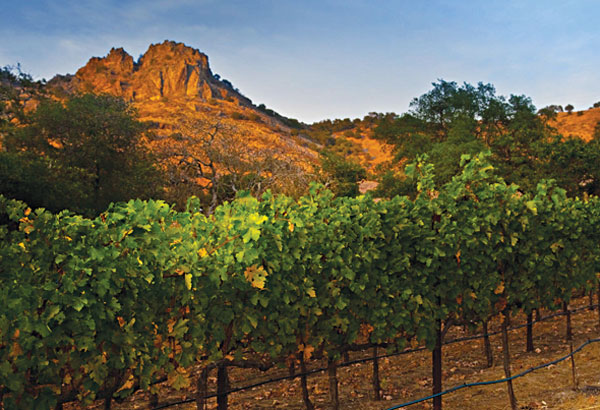
So, what are the qualities of the wines from the grapes that grow up in these neighborhoods? Well, in the best there is an undeniable earthiness and minerality and a dusky, textural quality that collaborate beautifully with dark fruit notes. Not just the blackberry and dark currant of a Valley Floor Vineyard wine, but a deep damson plum dusted with star anise, mace and cinnamon. The low fertility of the shallow soils also makes for small grapes with a high skin-to-pulp ratio that creates substantial tannins — all of which leads to great depth and complexity in the wines.
I frequently recommend consulting your personal wine guru for the best available examples of a particular wine style and considering the cost of buy-in for Napa’s best, it is especially important in this case. Older-school producers many times offer more consistency and better relative value. Look to the early east-side citizens such as the aforementioned Chappellet or Stag’s Leap Wine Cellars — the 1973 version of which defeated the best of Bordeaux at “The Tasting Heard ‘Round the World.’ ”
In my next column, we go back to Europe for more volcanic gems (available in the next edition and at TheTahoeWeekly.com.)


