


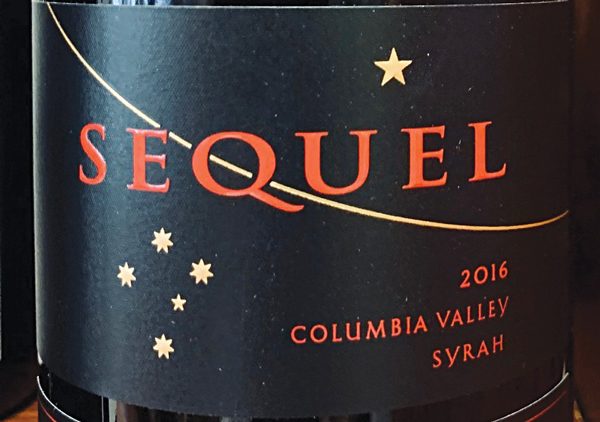
The next three stops on our virtual Syrah tour offer thrilling examples and some real bargains to boot.
Read Part I of Lou’s series
We’re off to Washington State, specifically its southeast corner, where in addition to sporting some of the coolest wine-region names anywhere, we find wonderful Syrahs in many styles. Warmer areas, such as Horse Heaven Hills and Red Mountain, produce outright blockbusters full of dark berries and licorice flavors. To the south, and even creeping into northeast Oregon, lies The Rocks area, named as such because the vineyards here look more like quarries and there is an unmistakable mineral streak in these wines. Although not shrinking violets, The Rocks’ Syrahs are more restrained in fruit than their northern neighbors and feature a gaminess that Syrah aficionados crave.
Although not shrinking violets, The Rocks’ Syrahs are more restrained in fruit than their northern neighbors and feature a gaminess that Syrah aficionados crave.
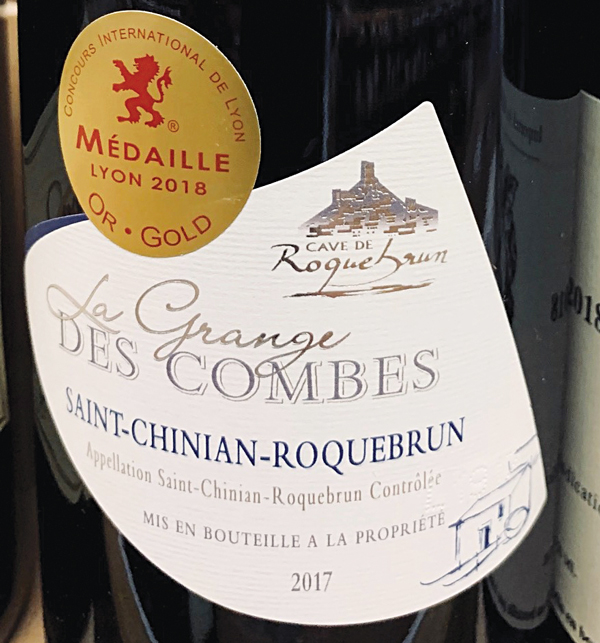
Assisted by our virtual magic carpet, we are going to do a little continent leaping, starting with a flight to the south of France, the regions of Languedoc and Roussillon. Hugging the southern coast between Provence and Spain, these areas are best known for quaffable bulk wines. However, in the mountainous nooks and crannies lie terroirs with the complex soils and cooling winds that make for fascinating Syrahs. The best are a cross between the Old and New worlds and bring the bramble and herbaceousness of Rhône versions, with the richness and more forward dark fruits of California or Washington. While some star producers are getting Rhône-level prices, there are bargains aplenty for those in the know. Domaine Lafage’s offerings are consistently excellent and start less than $15.
Leaping to the Southern Hemisphere, we find a relative newcomer to the Syrah party. Chile, especially in the cooler growing regions, is kicking out some beautiful versions, that also find a crossroad of New- and Old-World qualities. Like most reds from Chile, they have some bright green herb notes and a distinct smokiness that add extra levels of complexity and make them flexible food matches.
Although it does well solo, Syrah is also one of the grape world’s great dance partners. In Australia it bebops with Cabernet to make some of that country’s best red wines.
In California it two steps with Grenache and Mourvèdre, creating the most revered wines from the warmer parts of the Central Coast such as Paso Robles and Temecula Valley, as well as being a perfect bottle partner in Zinfandels from all over the state.
In the more traditional regions of the Southern Rhône and Languedoc-Rousillion, it does a sultry slow dance with a multitude of red Rhône varietals.
Because Syrah reflects its home turf so well, I recommend purchasing several versions for your own tasting and explore their similarities and differences. Cheers.


