


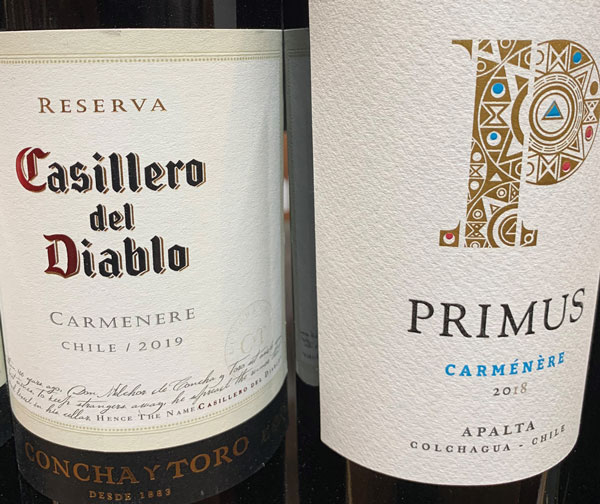
We are on the last stop of our South American wine journey and the destination is Chile.
Hard on the west coast of this huge continent, the world’s longest nation at more than 2,500 miles north to south has an incredible diversity of vineyard sites with elevations ranging from 400 feet in its Valle Central to more than 7,000 feet in the northern regions of Limari and Elqui. Chile’s proximity to the Pacific Ocean, with its cooling Humboldt Current flowing up from Antarctica and its diversity of geology and climates make it a southern hemisphere twin to California. It also has relatively little weather change year to year making for excellent and reliable growing conditions and the ability to excel with many wine grapes.
Read Lou’s columns on the wines of Rioja, Sicily and Argentina
Chilean wines at all price points are also some of the wine-world’s great values, especially in the lower categories as the fruit is high quality and the winemaking practices tend to let the fruit shine as opposed to the over-manipulation common elsewhere. Some of the reasons for the value-play in these wines are the low cost of land and labor, and the industry’s fight to be recognized as a player in quality wine. The latter is a result of Chile’s wine industry selling at bargain-basement prices when it was revived in the 1990s.
Chilean wines at all price points are also some of the wine-world’s great values.
What Chile does best is the classic-varietal wines. Cabernets, Merlots and Carmeneres from the cooler parts of the Valle Central, Chardonnays, Sauvignon Blancs and Pinot Noirs from the northern high-elevation regions, Syrah and Rhone Blends from a variety of locations.
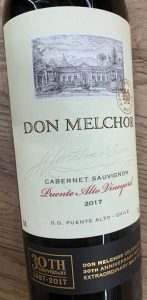
This leads to my No. 1 tip, which is to look for specific regional designation on the label or ask your vendor about the origin of the wine. Top Cabs, Carmeneres and Cab blends come from the Cachapoal, Colchagua and Maule regions. The better white wines and Pinot Noirs are raised in the Elqui, Limari and Casablanca Valleys. Syrah and other Rhone reds excel in the southern region of Itata and the cooler areas of the regions mentioned for Cabernet.
At the higher end, the value proposition stays just as true. For collectors or just those seeking an exceptional wine experience, I have two can’t-miss gems that bring Wine Nirvana at a great ROI. A wine that I always had on my lists as a Sommelier is Don Melchor, the top wine from wine-giant Concha Y Toro. The second is the Chilean outpost of Chateau Mouton Rothschild, Almaviva. Both of these stars can be had for about $150 retail, and I guarantee they are the equal of Bordeaux or Napa stars at multiple times the price.
I can’t think of a better place to take a deep dive on your wine journey. Cheers.


