


There is no question that women in Tahoe can shred. The female ski icons of the past like Starr Walton-Hurley, recent Olympians like Julia Mancuso and Jamie Anderson, and freeskiers were all spoon-fed on Sierra snow. Whether professional or recreational, skiers or boarders, women continue to push the edge of snowsports.
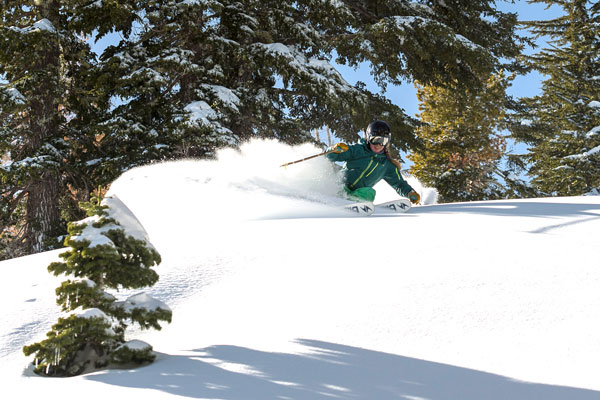
Tahoe winters foster a deep love of skiing and snowboarding, and women want to improve their skills on the snow. In-demand clinics, workshops and camps are more readily available than ever before.
While most women instructors agree there is camaraderie and connection created through workshops and clinics geared toward women, there is also a push for better equipment and positions in the industry. There are women who want to ride big, fast and steep, and women who want to learn to improve their skills in an environment that connects them with nature and other like-minded women.
“Never before have there been so many opportunities for women. We’ve seen a surge of women ski films, innovation in product line and education.”
– Heidi Ettlinger
“Women think differently than men. Women tend to read situations from a different perspective and receive information differently,” says Julie Matises, supervisor and co-founder of the Women of Winter program at Squaw Valley Alpine Meadows. “Women these days are more educated, physically in shape and know what they need. Women want to ski well. We don’t coddle them.”
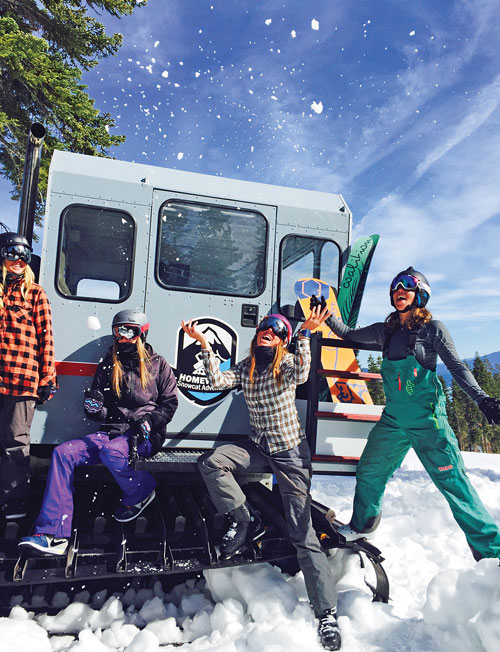
Matises has been a ski instructor for more than 25 years. She, along with program coordinator Lynn Douglas, say they are passionate about clinics geared to help women improve their ski skills, build confidence and foster learning.
Jenny Fellows, co-founder of the North American Ski Training Center (NASTC), offers both co-ed and women-specific ski clinics. Fellows explains that their male instructors are highly skilled communicators and her husband, Chris, has been teaching for more than 25 years to both sexes. Yet, she understands why women clinics have grown in popularity over the last few decades.
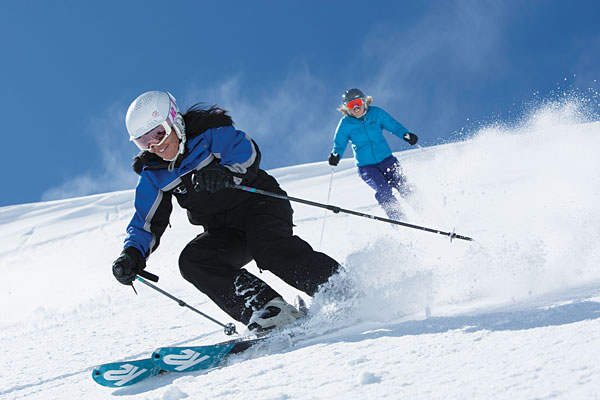
“Women know how to maximize their time to learn. Clinics for women were initially created for beginners and intermediate skiers. These clinics now cater to expert and advanced skiers. We are seeing more and more women taking time for themselves,” she says.
Both Fellows and Matises mention communication as an important factor when it comes to instruction and that often women relate and learn well from other women.
“Women-specific courses are successful because there is an element of trust and not feeling judged. We can celebrate our femininity and not feel the need to keep up with the guys,” says Kim Mann, who leads ski clinics for NASTC.
Backcountry Babes co-owners Emily Hargraves and Michelle Trame have been guiding back-country excursions for women since 2014.
“There is a spirit of community, supportiveness and friendship that occurs, which is fun and inspiring in a learning environment,” says Trame.
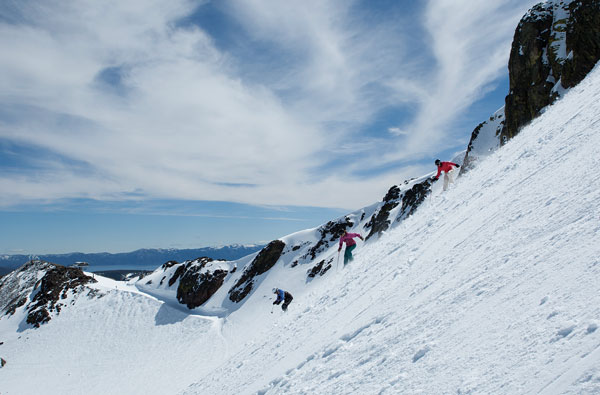
Matises, Fellows and Mann all pay homage to Elissa Slanger, a pioneer in the ski industry. She is credited with creating the first women’s ski program at Squaw Valley back in the 1970s. Slanger saw the importance and need for women to learn from other women.
“There were very few women ski instructors when I started teaching in the 60s. Back then, women only taught children,” says Slanger. She was one of the first women to teach all levels of skiing to both men and women and helped shape the culture of women’s ski education. She was inspired to offer a weeklong women’s ski course at Squaw Valley. It was so successful she eventually taught women-specific courses throughout the country. Slanger says it’s hard to believe how far we’ve come because she has witnessed the evolution of women and education in the world of skiing.
Heidi Ettlinger is the program coordinator of the Women’s Summit, an annual winter conference that provides women instructors, coaches and ski patrollers an opportunity to share best practices, network with like-minded leaders and learn new skills.
“Women are physiologically different. We look at alignment and equipment to remove barriers so women can get better faster. We teach how to approach the mountain from a tactical perspective,” says Ettlinger. “Women appreciate a tool box. We help them to understand when to use those tools, why to use them and what to do with them. Never before have there been so many opportunities for women. We’ve seen a surge of women ski films, innovation in product line and education.”
Shaping the industry
Then there are women like Jennifer Gurecki and Danielle Rees of Coalition Snow, which makes skis and snowboards specifically for women.
“We are not making equipment designed around women’s weaknesses or what they cannot do. We design equipment around what women can do,” says Gurecki. “Women want to ski fast, big and steep. They want to manage terrain on high-performance equipment that is meant to do the things we can do. Coalition’s skis cater to all shapes and sizes with a stiffer flex than you’d find in a much more traditional women’s ski. Women deserve the best choices. We are often perceived as a small market.”
And, Gurecki wants to change that mindset.
In addition to running Coalition Snow, Gurecki tours the country speaking about issues that affect women, cultivating female leadership and denouncing the inequality of women and female athletes in the ski industry, whether in product design or the job market.
Now more than ever, there is a sea of change in the snowsports industry when it comes to women and what is available for them to attain goals and become better athletes.


