


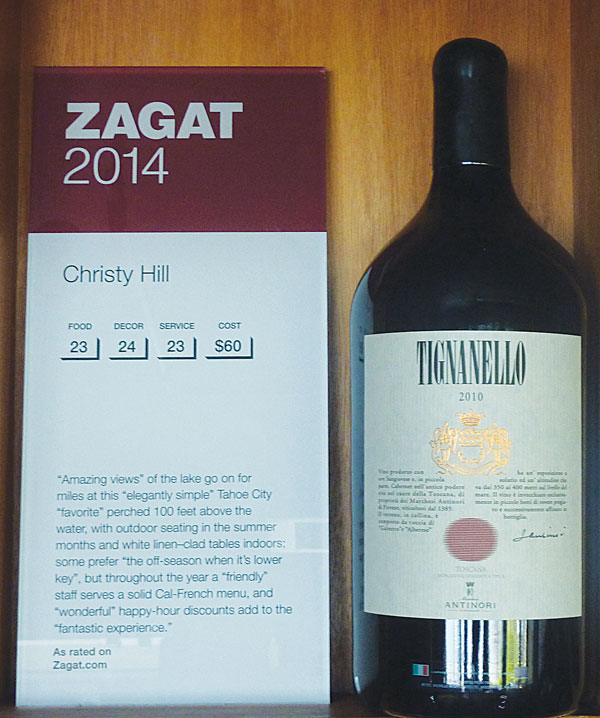
It was all so simple for millennia in Tuscany. Wine fans the world over agreed that the finest Tuscans came from Sangiovese grapes grown in the vineyards of the inland mountains that make up the spine of Italy.
Sure there were a few blending varieties making up a small percentage of these wines but Sangiovese was the undisputed heavyweight champion of Tuscany. But as with all things, there were disruptors in the wings and as sure as Elon Musk had a better idea, so did some Tuscan winemakers.
And oh, how things have changed. It all started in the 1940s when Marchese Mario Incisa della Rocchetta planted some Cabernet. For years it was just for his house wine as any wine with the prestigious government stamp of quality, called DOCG, had to be primarily Sangiovese. By 1968 he was so convinced of the quality of his Cab-dominated wine, he produced commercially. Others soon followed such as the now famous Tignanello, a Sangiovese-Cabernet blend and superstar Sassicaia, made from Cabernets Sauvignon and Franc. These had to be labeled in the far less prestigious vino da tavola category. Nonetheless, they were soon recognized internationally as Tuscany’s best wines, far outpacing the DOCGs such as Chianti and Brunello in both notoriety and more importantly price. The government took notice and created a new prestige category called IGT in 1992.
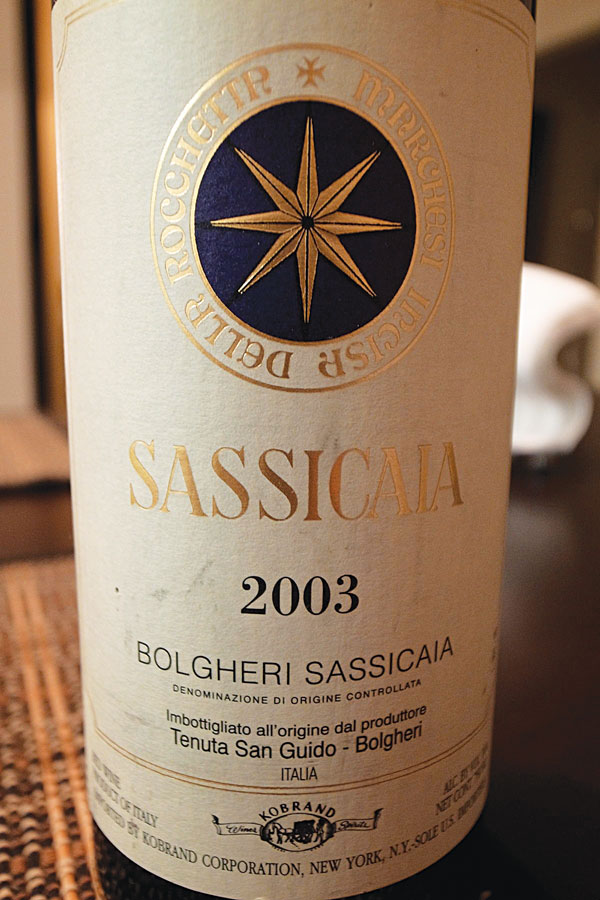
While some Supers are made in the mountain regions and feature Sangiovese, as well as Cabernet and Merlot, most of the big guns hail from the coastal communes of Bolgheri and Maremma. The climate here is a cross between Napa and Bordeaux and the wines are often Cabs, Merlots, Syrahs or blends of those grapes with or without Sangiovese or other Italian reds such as Teroldego. The wines themselves seem to meld the best of both regions with the fruit and power of Napa and the earthier qualities of Bordeaux.
When done right these are stunners and many have prices that match. Recently, however, value versions have risen to quality heights and I can highly recommend the three following wines because they are consistent, widely available and always punch well above their weight division when it comes to quality. They are: Antinori Guado al Tasso II, Tenuta Sette Cieli Yantra and Strozzi Campo Al Capriolo Rosso, priced around $20 a bottle. Another attraction of these wines is unlike the pricier Super Tuscans mentioned, they are ready to drink on release, whereas the big boys need some serious aging.
On the other hand if you are a big-dog wine drinker, take advantage of the age ability of the higher end Super Tuscans because they become masterpieces with some cellar time.


