


Right up there with starting a wine-bottle avalanche in front of the whole restaurant on your first day as the sommelier — yes, I did that — is the discomfort you feel when an expensive bottle is opened and something seems off. But, you are not certain. Do you send it back or grin and bear it?
Well, here is a guide that will give you confidence whatever decision you make. First of all, remember that whatever you do, national security will not be threatened.
Let’s look at possible wine faults. When dealing with wine of a type and age you are familiar with — let’s say a young California Chardonnay or Cabernet — that seems off, it is most likely potentially corked or oxidized. If it strongly smells/tastes like wet cardboard, sulfur or nail polish, there is no doubt it is flawed. If there is a subtler issue, you should sense for a general dullness, lack of fruit or out-of-place roasted caramel character on the nose and palate.
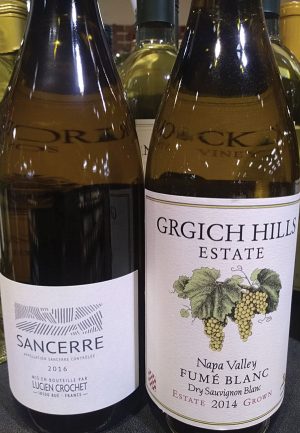
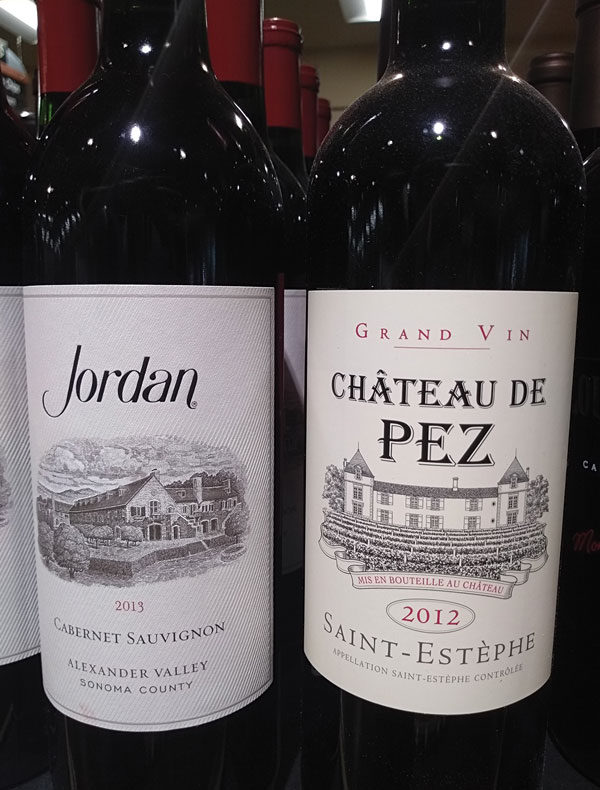
The other primary cause of uncertainty arises when trying a wine type that you are unfamiliar with. Prime examples are wines from the same grape(s) that are from a vastly different region or of a vastly different age. Based on my 30-plus years of selling, presenting and serving wines to all types of people, I have identified some common wine situations that commonly cause confusion: California Cabernet compared to red Bordeaux, Australian Shiraz or New World Syrah compared to Northern Rhone Syrah and California Sauvignon Blanc compared to Sancerre. These almost always create challenges to the unprepared.
California wines, even those that are complex and structured, are quite typically rich with upfront fruit flavors, whereas their counterparts from France and other European countries typically lead with earthier flavors and higher acidity. It only took me a couple of experiences of seeing a first-timer wince from the searing acidity and minerality of a typical Sancerre before I knew I had better describe the “lovely beam of freshness and salinity,” a wine drinker could expect to enjoy from a Sancerre. The same can be said for the leather and earth of Bordeaux versus the dark berries of a California Cabernet.
These are not the only match challenges. So when you are feeling adventurous, but dubious, the best solution is to ask your wine purveyor what to expect from the wine you are thinking of trying. Then ask yourself if the description sounds appealing to you and your cohorts. A competent sommelier or wine-shop person should have experience with wines from various regions and ages and know how the wine should present itself.


