


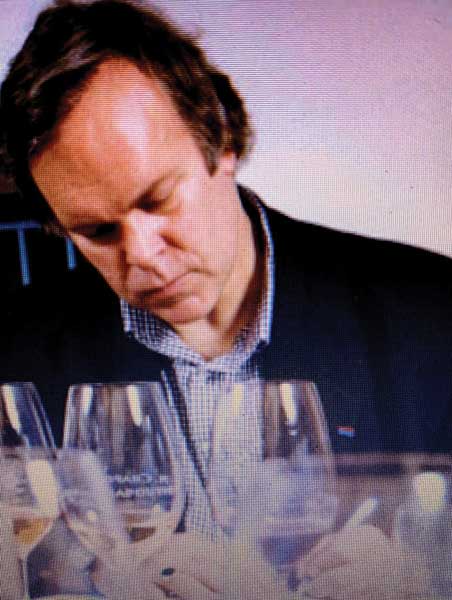
Meet Mr. Robert M. Parker, the recently retired grand poobah of wine reviewers for the past four decades. A more influential and controversial character there has never been in the world of fine wine. To set the stage for his story, visit Tahoe Weekly’s online archive for my three-part series earlier this year about the 1976 Judgement of Paris, where the underdog California wines whipped their French counterparts at a public blind-tasting of French versus California wines. From that tale you may conclude that the public outing of the travesty that was wine reviewing was then put straight. Au contraire mon frères et soeurs, the bought-and-paid-for wine critics went right back to their shenanigans.
Parker was clear that he would take no bonus wine and — except for barrel tastings — purchase all the wines he reviewed.
And that is where Parker arrived with his rapier — wit, that is — and made the concepts of fairness and objectivity at least part of the game. This all happened gradually and is best presented in chapters.
Chapter I: The Rising
In the early 1970s, the amazing Mr. P was a lawyer in the Washington, D.C., area. He had become obsessed with fine wine and traveled the world immersing himself in all facets thereof. Realizing he had found his true passion, along with an amazing palate and a skill for turning a phrase, he saw a grand opportunity. He determined that the sweet spot for an erudite wine freak was in the role of wine writer and critic. That was the birth of The Wine Advocate, his newsletter that combined his entertaining wine reviews with a travelogue of far-off mystical wine regions and personalities.
Mr. P also understood the game, which was to become influential enough to be sponsored by the wealthy wine producers by writing nonspecific but always flattering reviews in order to get invites to all the best events and perhaps a case or three of high-priced juices that would mysteriously end up in your trunk when you left the chateau.
Rejecting the fraud of that path, Parker was clear that he would take no bonus wine and — except for barrel tastings — purchase all the wines he reviewed.
Purchasing wines at retail meant that producers could not give him ringer bottles that were superior to what the consumer might get. When barrel tasting a wine that had not yet been bottled, he would not allow himself to be led to a specific barrel in the cellar. He wanted to rate the wine a consumer would taste. This all created transparency.
This did not put Parker in the good graces of the high-end wine producers of France and it took a seminal event for him to gain fame and credibility. That story is the beginning of Part II — and an absolute revolution in the wine world.
Read Part II in the next edition and at TheTahoeWeekly.com.


