


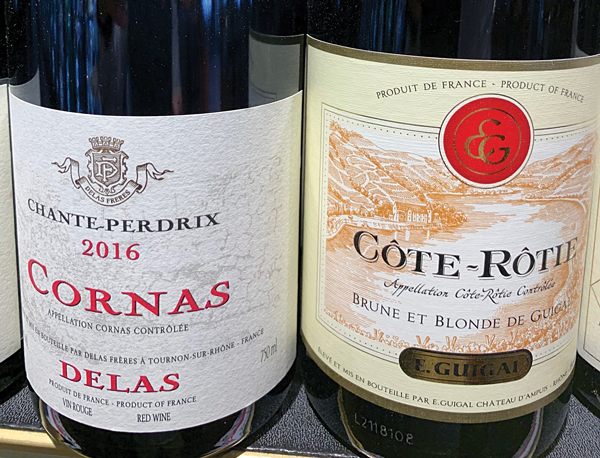
In the interest of transparency, this edition of the world’s most adventurous wine column, we will cover not only the qué (what) of Syrah, but also the dónde (where).
The first where is the Northern Rhône Valley in France: steep slopes, cool climate, slate soils and bits of the garigue in the air. Steep as in 55 percent; cool as in barely ripening the grapes, although this is changing; slate as in, well, slate and garigue, an open scrubland with herbs flying through the air carried by mistrals or strong winds. Those herb molecules — think herbs de Provence — cling to the grape skins and are then carried directly into the wine.
If you want to feel the soul of Syrah, grab a Northern Rhône version. Value versions can be had from the Cornas, St. Joseph and Crozes-Hermitage wine regions.
Even with warming trends, these wines are as Old World as it gets, with fruits taking a backseat and most wines needing at least five years to blossom. All that being said, if you want to feel the soul of Syrah, grab a Northern Rhône version. Value versions can be had from the Cornas, St. Joseph and Crozes-Hermitage wine regions, with the latter coming into its own right now. If you want to go deep and drop some coin, look for the Hermitage or Côte-Rôtie wine regions, but ask your wine guru which vintages are drinking at their peak.
On to Australia where they say Shiraz, except when some want to say Syrah. Let me explain. For centuries Aussies proudly called their Syrah, Shiraz. Lately, some regions outside of the traditional growing region of Barossa use the term Syrah to have a marketing differentiator and I suspect to infer that they make less bodacious wines. This is not disingenuous because the wines do tend to be more restrained. But I say, go Barossa, because why not experience what they do best? Another beauty of Aussie Shiraz is that at every price point you will experience yumminess.
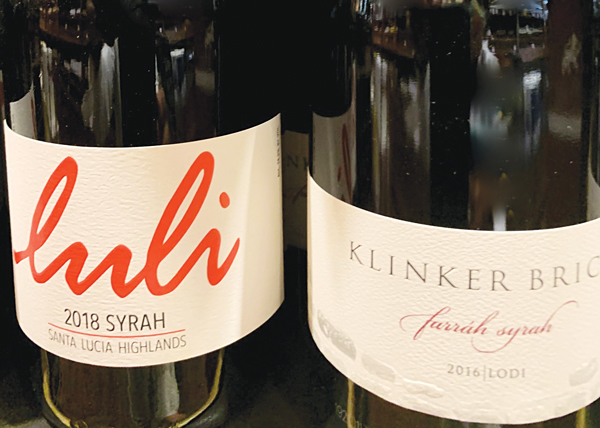
California, as you would expect, offers sunny expressions of Syrah. The majority come from Central Coast/Paso Robles and lead with big beautiful, dark-berry fruit. There are some that also feature mineral, earth and game components, but even they bring the berries, as well.
Lodi is another region for quality Syrah and offers even more deep-berry goodness than Paso Robles’ versions.
Sonoma County doesn’t make a lot of Syrah, but if you find one from true coastal vineyards, they are a wonderful cross between California and Rhône versions.
Almost every winery in the Sierra Foothills makes Syrah, which range from fruit-forward to complex and structured versions. As you travel up the price ladder you will find more of the latter; even though prices are on the rise, most offer real bang for your buck.
Syrah expresses its terroir as well as any grape I know and that is what makes wine geeks love it. I’ll share more Syrah hot spots and some stellar buying tips in the next edition and at TheTahoeWeekly.com.


