


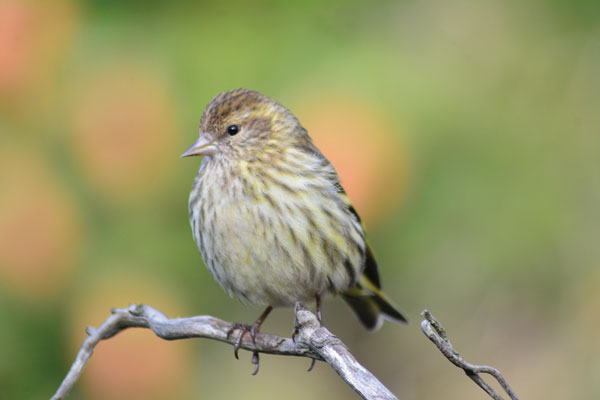
The Tahoe Institute for Natural Science and Lake Tahoe Wildlife Care are asking the public to be on the lookout for sick or dead finches associated with bird feeders, according to a press release.
Finches across the Western states are dying from an outbreak of salmonellosis, a common and often fatal bird disease caused by the salmonella bacteria. The problem appears to be especially bad along coastal Northern California, Oregon and Washington, with reports of many sick and dying birds. Most affected by salmonellosis are Pine Siskins, but Lesser Goldfinch and other finch species can fall victim to salmonellosis, as well. In recent weeks, dead siskins also have been found in backyards in the Carson Valley and Truckee.
The bacteria are spread through droppings, and where bird seed piles up beneath feeders, or in tray feeders where the birds can simply stand among the seeds, droppings can accumulate in the seed itself.
Members of the public can help to stop the spread of salmonellosis by discontinuing backyard bird feeding through February, to encourage these birds to disperse and forage naturally. Bird feeders also attract bears and other wildlife.
For those who continue to feed birds, keep an eye out for signs of visibly sick or dying birds, and remove and thoroughly clean feeders immediately, leaving them down for several weeks. Pine Siskins often can be tame, but sick siskins will be exceedingly so, and appear lethargic, puffed up, and often show sunken eyes.
Tube feeders and thistle socks may have reduced risk of transmission, but it is highly recommended that any feeders be cleaned regularly: any time the feeder is refilled, but at least once a week. Effective feeder cleaning involves soaking feeders in a 10 percent bleach solution, scrubbing, rinsing and allowing them to dry. Many bird-lovers elect to maintain duplicate feeders, so that they can deploy a fresh feeder while the other is being cleaned.
Given the widespread and lethal impacts of this outbreak, tray feeders should not be used at this time.
Note that it is possible, although quite rare, for salmonella bacteria to transfer from birds to humans through direct contact with infected birds or droppings. When handling dead birds or bird feeders, remember to wash hands thoroughly afterward.
Report any dead or visibly sick finches to either LTWC at (530) 577-2273 or TINS at (775) 298-0060.


