


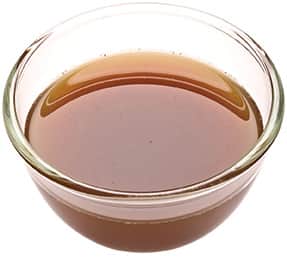
A few weeks ago, I wrote a recipe for raspberry pork tenderloin. In that recipe, one of the main ingredients for the sauce was demi glace. I mentioned that I have never found a decent beef base or store bought beef sauce or demi glace, but I did say that there are supposedly some out there that have gotten good reviews. Since that article came out, I have gotten many requests to go over the process of making a good demi.
A good demi does take quite a bit of time, but most of that time is letting the liquid reduce slowly, but the beginnings of the sauce takes time also. Of course, the amount of time it takes will definitely depend on how big a batch you make. I make a fairly large batch using a 16-quart pot that will give me a little less than a gallon of really good demi. This will last quite a while in the freezer, but unless you are having lots of big parties and making tons of sauces, this would be a little over kill and a smaller batch will take far less time. The entire process for a small batch can be done in a day instead of the three days a large pot can take. Remember, you’re only going to need a few tablespoons of demi at a time for most sauces.
Since I want to get the most out of my time spent roasting everything, I will also repeat the step of adding water to the bones and reducing that down by at least half up to three times. The second batch is usually still good enough to make some pretty good sauces, soups and stews, while the third batch is used only for soups and stews instead of using straight water. To freeze the demi, I use small containers of about 4 to 8 ozs. but for small batches, you can use an ice tray. Once frozen, I like to pop them out into a plastic bag and then double bag them.
Read Smitty’s answers to some Demi Glace questions
Demi Glace
4-6 lbs. veal or beef bones (soup bones in many markets. I usually see them in about 3 or 4-lb. bags)
2 yellow onions, cut in large chunks using only some of the skin (you can use leeks or any other green onions if you happen in addition to the onion)
5 carrots, cut lengthwise & chunked
7 celery stalks, minus the leaves, chunked
1 bottle red wine
1 T whole black peppercorns
½ T juniper berries, if you have any
12 oz. tomato puree
1 can whole cranberry sauce
1 T red wine vinegar
1 whole sprig rosemary
2 whole sprigs thyme
5 bay leaves
The amount of bones you use will depend on the size of your stockpot. When placed in the pot, the bones should be no more than three-quarters full in the pot. Look for bones cut open lengthwise to expose more of the marrow. The butcher can usually help in that department.
Place the bones in a roasting pan into the oven at 450 degrees. When the bones start to brown, turn the heat down to 350. Roast bones until dark golden brown and add the cut vegetables, peppercorns, juniper berries and cranberry sauce. Roast until all is well browned but not burnt.
Rub the tomato puree over the bones and add the vinegar. Roast until the tomato starts to brown. This might not take too long, so check on it often. Place all the roasted contents into the stockpot and pour half the wine into the roasting pan. Bring this to a boil on the stovetop and be sure to use a spoon to scrape any caramelized bits off the pan bottom and sides. Pour the rest of the wine into the stockpot.
Pour the wine from the roasting pan into the stockpot and fill to within an inch of the top with water. As soon as it boils, turn the heat down to the absolute lowest boil or simmer. Let reduce by half and strain into a smaller pot. Add the herbs and reduce that liquid by half on low heat.
Strain the liquid through a fine strainer or cheesecloth. Pour into small containers and freeze until needed. Cover bones with water again and repeat for a weaker, but still tasty reduction. Repeat up to three times and use the weaker batches for soups and stews.


