


The Memorial Day weekend officially kicks off the barbecue season. Actually, with the weather we have had this year many people have been itching to use the grill.
Chicken, pork, lamb and beef will all end up on grills this summer in some form. There will be legs and thighs, chops, ribs, steaks and roasts, both plain and marinated. Some meats will be thrown on the grill right out of the package while others will get elaborate seasonings, rubs and marinades.
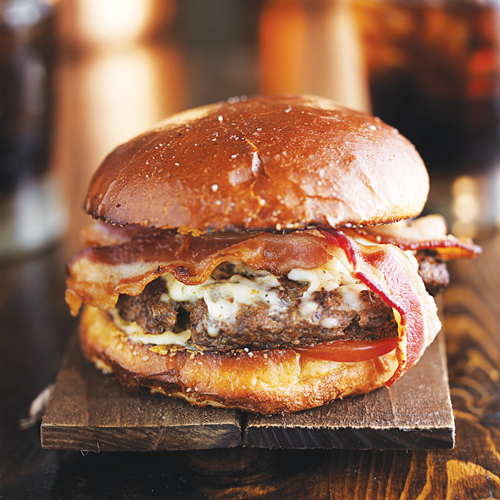
Beef is probably the No. 1 type of meat cooked on the grill. There are a lot of different cuts such as New York strip steaks, rib-eye steaks, T-bones, London broil, tri-tip and more. The list seems almost endless. The one cut of beef that is synonymous with cookouts isn’t a cut of beef at all is hamburger, truly the king of the grill. There are wars fought over who makes the best burger. This discussion is not just relegated to the grill, however. All you need to do is suggest to a group that you should go out for a burger and the argument will begin about which burger joint has the best hamburger.
One thing I can say about hamburgers is that they are the hardest meat to cook. Steaks and chops cooked to order medium rare, or however you like it, are no problem. Chicken legs and thighs are also easy to get done right. Even the biggest roasts need only a thermometer to tell you when to remove them from the grill or fire.
“The one cut of beef that is synonymous with cookouts isn’t a cut of beef at all is hamburger, truly the king of the grill.”
Burgers are not the same. They are different cuts of meat with different fat contents that can vary greatly from package to package or even burger to burger. Even how they are formed can make an enormous difference on how they cook. Also, the ingredients you add to the meat can affect how juicy the burger will be.
There are a few things that you can do to increase the odds that your hamburgers will turn out juicy. Meat with a higher fat content, such as those with 75 to 80 percent lean, will give you a juicier burger because there is a lot of fat to keep the meat moist. The only problem with that is the burger will also tend to be greasy. Meat with a lower fat content — 85 percent lean and more — tend to dry out faster.
When using the leaner meats, keep the burger juicy by following a few guidelines. Do not use as much dry seasonings, such as salt and dry herbs, that will tend to absorb the juice away from the meat. Also, add a little garlic and/or onion that have a tiny bit of water in them to add moisture. You can make a paste of white bread in one-inch cubes with the crust cut off mashed up with a little milk. It is amazing how much moister this will make your burger.
Also, do not over work the meat when forming the patties and never, ever squeeze the juice out of the meat with the spatula while they are cooking. I cringe every time I see someone pushing the spatula down on the burger and hope that it is not my burger.
When forming the patty, try not to keep mashing the meat together as if you are trying to get it as tight as possible. Be gentle. Lightly form the burger to the desired size and shape without packing it as if you where trying to make the world’s hardest snowball. Once the burgers are formed, let them rest in the refrigerator for at least one half hour before cooking. Cook about 5 to 7 minutes on one side before flipping to finish on the other side. Remember, do not push down on the meat with your spatula. Enjoy a juicy burger tonight.
Hamburgers
1 lb. 85 percent or leaner ground beef
1 to 2 cloves garlic, coarsely chopped
¼ small onion, diced
1 t salt & pepper, mixed
1 dash Worcestershire sauce
2 slices white bread, no crust, 1-inch cubes
1 T milk
Add half the milk to the bread; using a fork, work it into a paste adding more milk as needed. Lightly add all ingredients together to form the patties. Let the patties rest in the refrigerator for at least 30 minutes before cooking.
Cook 5 to 7 minutes on one side before flipping on the other side. Do not push down on the burger with the spatula while cooking.
If adding cheese, do so about 3 minutes after flipping so it has a chance to melt and you will not be tempted to over cook the burger.


