


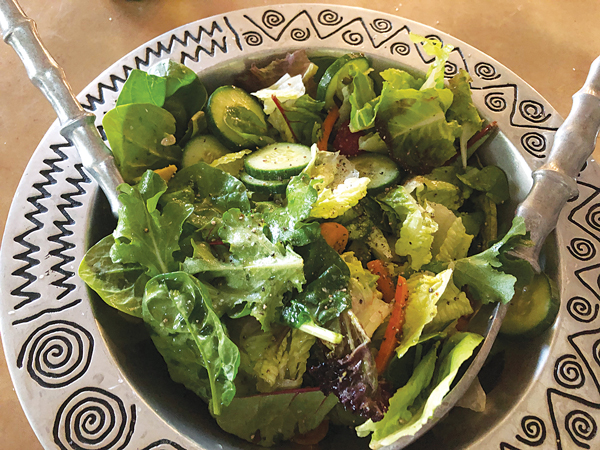
Lettuce discuss dressing a salad. Dressings range from sweet and creamy to citrusy and vinegary. The base of the dressing is fat (oil), acid (vinegar or citrus), sweet (sugar, maple syrup, agave, honey, fruit or fruit juice), salt and aromatics such as herbs, spices and alliums such as garlic, onion, leeks, shallot, chives and scallions. The ratio of oil to acid is generally 3-to-1, but there is a lot of room for improvisation.
I like to think about the type of lettuce or greens I am using for salad and pairing it with a dressing that doesn’t overpower or reduce the integrity of the lettuce.
Green Goddess, Italian, Caesar, vinaigrette, buttermilk, Ranch, Honey Dijon, French and Russian dressings are some well-known favorites for salads. Not so well-known are creamy avocado cilantro dressing or carrot ginger dressing. Sesame-soy dressing and miso ginger dressing are a few Asian fusion dressings that are delicious.
Substitute rice wine vinegar in place of balsamic or white vinegar to create a unique and flavorful dressing. Red wine vinegar is perfect for Greek salad, beet salad and cucumber salad. A touch of celery seed and sliced red onion are great to add to beet and cucumber salads. The combinations of flavors for salad dressing seem truly infinite.
The perfect pairing
When it comes to salad, dressing is queen. I like to think about the type of lettuce or greens I am using for salad and pairing it with a dressing that doesn’t overpower or reduce the integrity of the lettuce. Romaine lettuce is versatile; it goes well with Caesar salad dressing, lemony dressings, and even creamy dressings.
Grilling the romaine with a touch of olive oil and salt adds a new dimension to a Caesar salad. If you don’t care for egg yolk and anchovies in your Caesar, try a garlic-infused lemon dressing instead.
Iceberg and endive can handle a heavier dressing. Think blue cheese, gorgonzola or creamy dressings. Kale needs to be cut small and massaged before dressing and then topped with olive oil and lemon — perfect dressing for this green.
Arugula is peppery and a bit spicy. It’s best to toss with a sweet dressing. Watercress is also peppery but does well with a bit of fat like a buttermilk dressing. Lighter lettuces like Bibb, butter, green or red leaf are best dressed with a light touch; a simple oil and vinegar dressing goes a long way.
The bitter frisee is my least favorite green. It calls for a dressing that consists of a more substantial fat and salt. Radicchio is also a bitter leaf, which can stand a dressing with a touch of sweetness. Spinach is apt to wilt if prepared with a heavy acidic dressing. It’s best to go light. Consider a strawberry vinaigrette.
Mixed greens go well with simple dressings. Swiss Chard like kale can be tough and needs special attention. Cut small and dress with a sweet and acidic dressing.
Add the ingredients
Another key to a good salad is the added ingredients. Add veggies such as carrots, celery, fennel, tomatoes, cucumbers, peppers, broccoli and cauliflower. Sprouts and microgreens are nutritious and taste great. They offer color and variety to the bowl. Fruits like strawberries, apples and pomegranates add to the salad experience. Crunchy additions like croutons (definitely make your own), bacon bits, nuts (toasted or glazed are a nice touch) and seeds are excellent for texture and saltiness.
Cheeses such as blue, gorgonzola, goat and shaved parmesan are among the more common cheeses added to salads.
My paternal grandmother made a spring salad that was one of my favorite salads growing up. It consisted of iceberg lettuce, sliced radishes, a good Jersey tomato, sliced cucumber and scallions. For her dressing, she mixed in cottage cheese, sour cream, salt and pepper and tossed.
My maternal grandmother’s salad also used iceberg lettuce. She added sliced onions, tomatoes from her garden and diced cucumber. She drizzled red wine vinegar and vegetable oil with a dash of celery seed, salt, pepper and a tad of sugar for the dressing. Her salad was both tangy, sweet and salty.
Garlic-infused Lemon Dressing for Romaine Salad
From the kitchen of Priya Hutner
2 heads of Romaine Lettuce, torn
½ C cold-pressed extra virgin olive oil
5 cloves of garlic, pressed
½ lemon, juiced
¼ C Pecorino Romano, grated or Parmesan Reggiano, shaved
Salt & pepper to taste
Croutons optional
Add olive oil in a jar. Use a garlic press to press garlic into the oil. Let sit on the counter for at least one hour — up to four is best. Wash and spin lettuce and add to a large bowl.
Spoon on a few tablespoons of infused oil and juice of half of a lemon, salt, pepper and cheese and mix well. Taste and add additional spices and lemon as desired. Top with croutons and serve.


