


By Chef David “Smitty” Smith ·
Two weeks ago I gave a marinade recipe (visit TheTahoeWeekly.com for article). As with most marinades, it was simple and accomplishes the goal of adding flavor to the meat. In the article, I said that if you were going to marinade over night or for long periods of time, to reduce the pineapple juice and vinegar by half and double the amount of oil. I’ve received a few inquiries as to why that would be necessary, so let’s see if I can straighten that out.
First, you need to ask the question as to why you are marinating that piece of meat at all. There are two normal answers that I hear all the time. The first is to add flavor, which is great. The second answer, which is almost as popular, is to help tenderize the meat. It’s trying to use the marinade as a tenderizer that can get you in trouble.
In my marinade, I had vinegar and pineapple juice, as well as some ginger. Great flavor enhancers, but they will break down the meat in different ways when it comes to tenderizing. Vinegar, like wine and citrus juice, is acidic. It will start by breaking down the proteins in the meat. The problem is that once the proteins get broken down to a certain stage, the fibers start getting tight and as they get tighter, they will squeeze the moisture out of the meat leaving it drier and tougher.
Pineapple and ginger work in a different way. They are not tenderizing because they are acidic, but because of the enzymes. The enzymes work to break down the meat fibers, not just the proteins. This means that as the fibers break down, they turn mushy because there is no longer any strength or structure to them.
By taking some of the acid and enzymes out and replacing them with oil, you are adding more moisture and slowing down the breakdown time as the acid and enzymes have been diluted and that will lead to a moister piece of meat. When using a marinade, think of how tough the meat is and adjust your marinade time accordingly. Seafood is a loose and tender piece of meat, hit it once with a tenderizing mallet and it is just a pile of mush, so needs a short marinating time; maybe 20 minutes to an hour. Chicken will go a little longer, maybe up to two hours, and beef longer still depending on what cut you use.
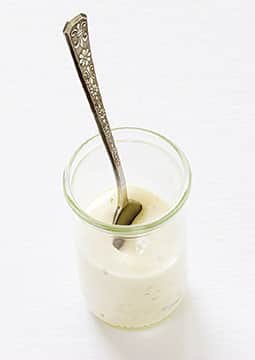
If you are really trying to use a marinade to tenderize meat, try a dairy marinade using yogurt or buttermilk. I honestly don’t know how it works. but it has something to do with a mild acidic level and I think something to do with the calcium. They work together to slowly break down the meat in a way that will leave it more tender, so a longer marinating period is a good thing.
I experimented by cutting a piece of chuck steak in half and using my recipe of two weeks ago for half and a simple yogurt marinade on the other and letting them sit in the refrigerator overnight. There were a few definite differences. Even before cooking, the regular marinade produced a brown piece of meat were as the yogurt marinade left the meat looking nice and red. Once cooked, the outside of the original marinated meat was tough. It did have a good flavor, but was chewy. The inside was still red and fine. The piece marinated in the yogurt was a little more tender and just looked like a fresher piece of meat on the outside due to not turning brown before cooking.
The one thing that really stood out for me flavor wise was that the yogurt marinade had a pronounced kind of twang to its flavor , which might turn some people off. I hadn’t added any sugar to it, so I do want to try it again experimenting with maybe a few different sweeteners.
This should help you on your choice of marinades and how long you let things marinade.
Next week, I’ll give you the results of the refined yogurt marinade for beef and which was my favorite.
Smitty is a personal chef specializing in dinner parties, cooking classes and special events. Trained under Master Chef Anton Flory at Top Notch Resort in Stowe, Vt., Smitty is known for his creative use of fresh ingredients. He has been a chef for PGA’s Memorial Tournament for more than 15 years and ran the main kitchen at the World Games. For more information and archived copies of Stir it Up, visit chefsmitty.com. Smitty welcomes questions and comments at smitty@chefsmitty.com, tmmsmitty@gmail.com or (530) 412-3598.


