


By Chef David “Smitty” Smith ·
Wow, have I gotten a lot of comments on steaks this last week and the seasoning article hadn’t even hit the stands yet.
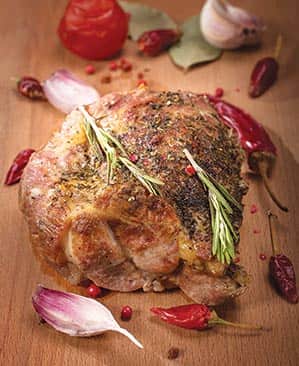
Most of the talk was about flavoring a steak and by the time you get to read this article, you will have already read the article on the timing of seasoning your steak, but there have been a few of you that have inquired about rubs. Last week, I talked about simply seasoning with salt and pepper. On a nice, high-end steak such as a rib eye or tenderloin this is all you really need, but if you still crave more flavor, then a rub can do the trick.
All you need to do is decide if you want to buy a pre-made rub or make your own. What’s the difference? Usually, a few bucks and added flavor. Rubs are easy to make and when kept in an air tight container, will last about as long as the store-bought rubs. You can make a batch and save the rest for the next time. I like to save my empty spice containers for this reason, but I try not to make such a big batch that it will last forever.
There are a few reasons I like to make my own rubs. First, as much as possible, I will grind the spices fresh using a coffee grinder I keep just for that purpose. Black pepper, cumin, coriander, you name it and it gives a much better and truer flavor freshly ground as opposed to bought in the store already ground, hence the reason for making a small batch at a time. Also, I can modify it to however I feel that day. For example, on Tuesday, I might be in the mood for something spicy, but then Wednesday, I might want something with more of an herb flavor.
The next time you’re at the market, pick up and check the ingredients of a few rubs. Almost always, you’ll find the first four ingredients are paprika, salt, black pepper and sugar.
Paprika is a dried member of the chili family that is ground into a powder. There are a few types out there, but the one in rubs is usually Spanish paprika, which has a nice mild, smoky flavor that will add a flavor without overpowering strength. Sugar will help caramelize the outside of the steak while searing, creating a nice crust. Think of the top of a crème brulee and you can see what I mean.
There are, of course, some rubs that will advertise no salt or sugar added. I can go without the sugar, but if you do get one of these rubs, you will want to salt your steak or meat when adding the rub or you’ll miss out on a ton of flavor.
In my base, I like to start with those four ingredients: kosher or sea salt with larger crystals than table salt, paprika, fairly fine-ground fresh black pepper, brown sugar, add a little granulated garlic and fresh, ground cumin. After that, I’ll add whatever I’m in the mood for that night. Some of my usual additions would be ground chipotle powder, chili powder, a slight touch of ground mustard, and a little more cumin for some nice heat and smoky flavor, or thyme, rosemary, basil, oregano, marjoram, coriander and poultry seasoning in various combinations depending on what meat I’m eating when I’m looking for flavor without the heat.
Creating your own rubs is a great way to discover your herb and spice collection. Start with a simple base, you’ll notice all the ingredients in my base will complement pretty much any of the other additions. The only spice there that might seems to be a little out of place for some rubs, is the cumin, but since I happen to like cumin on steaks a lot, I have added a small amount and then I’ll add more depending on the mood and other ingredients for the night.
Once you have your base, it’s fun to open up other various herbs and spices in your collection and take a big whiff after smelling your base. Your nose will let you know if what you’re holding will complement or oppose what you are creating. Add a little of your choices at a time or if you think it will go good but have a little doubt, pull a small amount of your base aside, add a tiny bit of that spice to it, and put a little on your finger to try. When experimenting, this is always a good thing to do before coating your steak to be sure you didn’t go overboard with the rub or a few ingredients.
Once you have your rub ready to go, sprinkle some liberally over your steak and lightly massage it in to the meat. Flip the steak and repeat. Let the piece of meat sit for at least an hour and overnight if possible.
Bring the steak to room temperature and pat it dry with a paper towel before cooking. Sear the steak over high heat and then move it to a lower heat once seared. If you don’t want that crust on the outside, cook the steak over a lower heat. Let the steak or meat rest at least 5 to 10 minutes before cutting into it to let the juices make their way back into the meat and settle.
Base Rub
2 T salt
1½ T paprika
1 T black pepper
2 t brown sugar
1 t granulated garlic
1 t cumin
Cajun or Spicy Rub
Add to 2 T of base
½ T chipotle
1 t cayenne
½ t chili powder
2 t cumin
Milder Herb Rub
Add to 2T of base
½ t dry mustard
1 t coriander
1 t thyme
1 t basil
1 t marjoram
Smitty is a personal chef specializing in dinner parties, cooking classes and special events. Trained under Master Chef Anton Flory at Top Notch Resort in Stowe, Vt., Smitty is known for his creative use of fresh ingredients. He has been a chef for PGA’s Memorial Tournament for more than 15 years and ran the main kitchen at the World Games. For more information and archived copies of Stir it Up, visit chefsmitty.com. Smitty welcomes questions and comments at smitty@chefsmitty.com, tmmsmitty@gmail.com or (530) 412-3598.


