


They are biscuits in England and Australia, galletas in Spain, biscotti in Italy and in Germany keks or plätzchen. In the USA, they are cookies. Derived from the Dutch word koekje, meaning small cake, the earliest cookie-style cakes are thought to date back to 7th Century Persia A.D. (one of the first countries to cultivate sugar). The bakers added sugar to bread recipes to create sweet cakes that were baked in a clay oven fueled by dry wood fires.
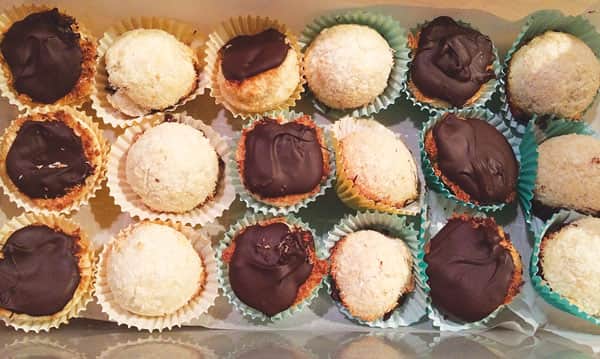
When spices such as nutmeg, cinnamon, ginger and black pepper, and dried exotic fruits such as citron, apricots and dates were introduced they were added to baked goods. These items, along with sugar and butter, were expensive and only prepared by families during holidays.
Today, baking cookies is still a holiday tradition. My grandmother would spend weeks leading up to Christmas baking. The sweet scent of butter, nuts and chocolate filled her kitchen. I’d open the round tin and dig through the waxed paper searching for my favorites: her chocolate chip cookies and Russian tea cakes.
Gingerbread, butter cookies, sugar cookies, gingersnaps, chocolate chip and snickerdoodles are some of the traditional Christmas cookies baked during the holiday season. During Hanukah, rugelach are filled with raisins, walnuts, cinnamon, chocolate, marzipan, poppy seeds or fruit preserves.
Decadent and delicious, most of us cannot eat just one.
The delightful pizzelle is an Italian waffle cookie made from flour, eggs, sugar, butter or vegetable oil and anise or anisette. Biscotti, a twice-baked cookie is sometimes dipped in chocolate. Both are traditional during the holidays. You might also find Brutti ma Buoni (ugly but good), a hazelnut or almond-flavored biscuit; Croccantini, a cracker that can be served savory or sweet and the pignoli, a pine-nut macaroon-type cookie on the holiday table in Italy.
From Germans, there are hausfreunde, buttery almond-apricot sandwich cookies in bittersweet chocolate; basler leckerli, a spiced cookie bar; lebkuchen, molasses-ginger cookies; Haselnuss Makronen, raspberry-hazelnut macaroon and pfeffernuesse, tiny spice cookies.
The Swedes make pepparkakor, a flat gingerbread cookie. Austrians make raspberry linzer torte. The French make Chinese almond cookies, madeleines and macaroons. In Mexico, we might find buñuelos, a fried dough cookie; biscochitos, a cross between a butter cookie and a snickerdoodle; and Mexican wedding cookies, which are akin to a Russian tea cake.
The evolution of the cookie has changed and today there are thousands of cookie recipes. Decadent and delicious, most of us cannot eat just one. There are many iterations of the cookie that have evolved depending on our diet: gluten free, sugar free and vegan cookies have made their way into our culture.
There are plenty of healthy cookies, no-bake cookies, protein cookies and cookies with whole grains, nuts and seeds. Want to reduce sugar in your diet? Mashed bananas, applesauce, pears, maple syrup or agave nectar are excellent ways to cut out sugar.
There are also eggless recipes for vegan cookies. Aquafaba is a great egg substitute. It is the juice from canned beans and can even be used to make vegan meringue. Kristin McKenna, co-owner of Therapeutic Chef, is a vegan chef who makes fabulous cookies and shares her recipe for vegan ginger cookies.
One thing is certain as the holidays approaches – cookies will be plentiful.
Triple Ginger Cookies
Wet ingredients
1 T flax seeds, freshly ground
2 T warm water
¼ C coconut oil, melted
¼ C sugar (rapadura or coconut palm sugar)
3 T blackstrap molasses
Dry ingredients
1½ C spelt flour
1 t baking powder
¼ t baking soda
½ t unrefined sea salt
½ t ginger powder
¼ t cinnamon powder
¼ t cloves powder
2 t grated fresh ginger
Dash of cayenne
¼ C candied ginger, minced small
Additional sugar, for coating
In a bowl, mix ground flax seeds with 2 tablespoons of water and let sit for 10 minutes. Then whisk in the oil, molasses and sugar until well combined.
In another bowl, mix the flour, salt, baking powder, baking soda and all spices except the candied ginger. Add the wet ingredients to dry and stir until it becomes a dough, using hands if needed. If it seems too dry and won’t stick together, add a dash of water and mix again. Then fold in the candied ginger.
Chill the dough for 30 minutes. Shape into flat disks. Press the disks into the sugar to coat and place on parchment-lined sheet. Bake in preheated 350 degrees F oven for 12 to 13 minutes.
The cookies will be slightly soft in the center to touch. Let them cool completely before transferring to a container. Store in an airtight container and consume within a few days. Makes 14 to 16 cookies.
Priya Hutner is a writer, health and wellness consultant, and natural foods chef. Her business, The Seasoned Sage, focuses on wellness, conscious eating and healthy living. She offers healthy organic meals for her clients. She may be reached at pria78@gmail.com or visit theseasonedsage.com. Visit TheTahoeWeekly.com to read more.
READ MORE
Try Chef David Smitty’s recipe for Sugar Cookies


