


On a recent stroll with Abigail, aka “The World’s Best Dog,” we passed a sidewalk cafe where, as was evident by their demeanor, two women were not enjoying their vino. They also made a nice comment about Abbie so I took the opportunity to ask what they thought of their wine. More bad face making ensued and I believe their consensus was: “Yucky.”
I looked at the bottle to see the source of their pain. It was, in fact, an exceptional bottle of blush from the Campania region in Italy made from the tannic and earthy Aglianico grape. It would have been perfect matched with some rustic roasted beast — for springtime, sunshine sipping, not so much.
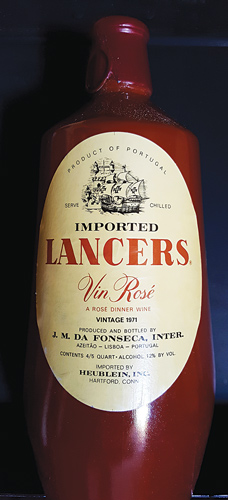
As any veteran wine lover knows, until about the 1980s our main choices in the U.S. for Rosé were Mateus or Lancers. Today, however, we have a myriad of offerings from all over the world, but their labels rarely tell us what lurks inside. So here is your primer to Rosé this summer.
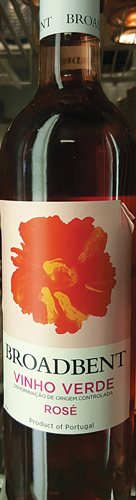 Rosé Verde. | Lou PhillipsRosés are crafted from varietals ranging from Pinot Gris to Cabernet in styles from dry and structured to soft and sweet. And while the label will sometimes tell you the grape or grapes, it will rarely tell you sweetness level or overall style.
With all the new options in this category, there has never been a better time to go Rosé — but don’t be afraid to ask before you buy.
Let’s start with some basics. Blush wines are made in three ways. They can be made by bleeding off some of the juice early in the skin-contact phase of making red wine or by removing all the juice after a short skin-contact phase or by adding a little red wine to white. The first two ways are usually employed for better wines.
Next, let’s look at the grapes and styles. The easiest way to grasp this is to know blush wines are usually made from the red grapes of their region of origin. Oregon often makes theirs from Pinot Noir, Provence from Rhône grapes and so on. The same goes for style. So if the two women mentioned earlier had known that red wines from Campania are dry, earthy and structured, they would have made another choice.
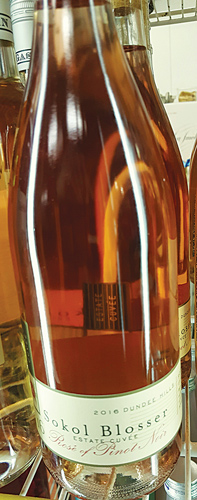
That knowledge is great but with so many regions producing blush wines it can still be a challenge to find what you want. Your best solution is a knowledgeable wine professional. When dining out tell your server what style you are looking for. This not only ups your odds of success but also allows you to ask for another if the wine does not suit you. Grocery stores, or better yet, dedicated wine shops, usually offer a wide variety, so ask for their go-to Rosé guru.
With all the new options in this category, there has never been a better time to go Rosé — but don’t be afraid to ask before you buy.


