


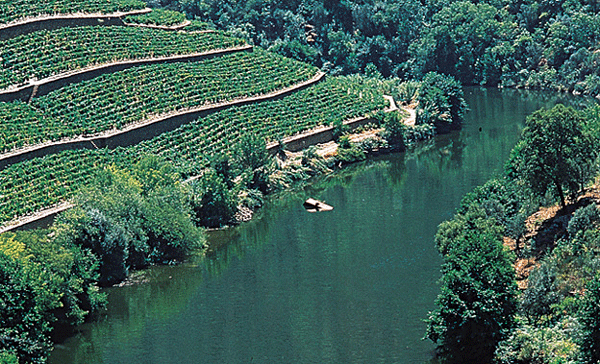
You may know that port is a rich, dark, viscous, fortified wine full of concentrated and complex flavors and textures and has a little extra pop of alcohol compared to other wines. Grapes for the finest versions grow in incredibly steep ancient vineyards that rise precipitously from the banks of the Douro River in northwest Portugal. What you probably do not know is that these elixirs are capable of solving pernicious winter problems.
Tawny ports lean more toward caramel/nutty flavors and color, and enhance crème brûlée and ice cream, as well as orchard fruit-based desserts.
Yep, it’s cold outside. Let’s get warm, you say? Well, port can warm the cockles of snow-country denizens. Cold toes, hands and hearts will all warm with even a tipple or two. It is much more than the spirits at work here. Port’s typical cinnamon, nutmeg and raisin flavors elicit a big dose of winter comfort.
Winter dinners call for richer desserts and these can be a wine-match challenge. Port’s variety of styles and balanced sweetness make it a great dessert wine and because of port’s intense, flavor you’ll only need a small pour to satisfy.
At the value level, ruby ports, such as Cockburn’s Special Reserve, are fresh and fruit-forward while retaining enough acid and backbone to avoid being cloying. Dark fruit and/or chocolate desserts make for an absolute mouth party with a sip of ruby port.
Tawny ports, which are often aged longer and will indicate the length of barrel aging on the label, lean more toward caramel/nutty flavors and color, and enhance crème brûlée and ice cream, as well as orchard fruit-based desserts, such as peach or apple pie. My ultimate tawny port-dessert match is a homemade custard banana and coconut cream pie — yummy.
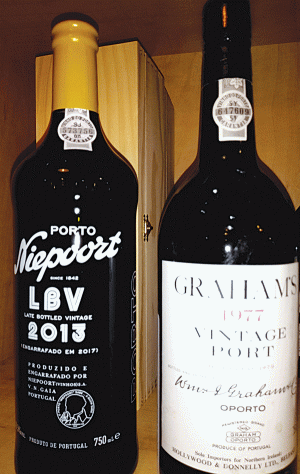
Sacré bleu! What if you have no dessert but want to end a meal with something memorable? This next port type is so darn delicious and complex you’ll forget you forgot the dessert. Vintage ports are the ethereal iron fist in a silk glove of the wine world: powerful, earthy, tannic and explosive with fruit, yet full of lift and grace from acid and minerality. These are made to age and improve for decades. The best part of vintage port is that it is so satisfying you don’t need to match it with anything but your lips.
Late-bottled vintage ports, which are quite nice, are not the same as true vintage versions so, when in doubt, ask your wine guru for help.
Final port tip: You don’t need to break the bank on your port exploration because offerings starting as low as $10 deliver unique and memorable wine experiences.


