


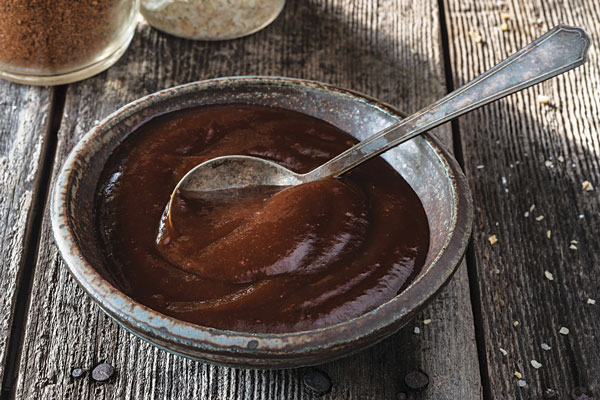
I thought it might be a good idea to talk about marinades this week. Sauces and glazes are easy to use as all you do is brush it on the meat as the meat cooks to add flavor. A marinade infuses the flavor right into the meat — there is a little more to what is going on, but that is the first goal.
Try Smitty’s recipes for Barbecue Sauces & Glazes
A marinade is a liquid that often includes some of the following ingredients: oil, herbs and/or spices, garlic, mustard, soy sauce, Worcestershire sauce, sometimes a sweetener, salt and pepper. These are some of the more common ingredients, but you can use a selection of things. Use ingredients you know you like and skip the ones you don’t or substitute something you do like.
One example is mustard. I know people who do not like Dijon. You can substitute another kind of mustard such as whole grain, yellow or dry mustard, which are a little milder. If you are using mustard to add a little spice or zip to the flavor, use Tabasco sauce or chili paste instead. Personally, I’ll go with the chili paste over Tabasco because I think there is a lot more flavor. Remember, there is also a lot more heat, so go easy.
Another common ingredient is some kind of acid such as wine, vinegar, tomato or citrus juice. The acid is good not just for the effect it has on the flavor but also for the effect it has on the piece of meat. It will start to break down the proteins in the meat before you even get it on the grill, which means your dinner will end up a more tender than you would get by merely grilling it. This is especially good for tougher cuts of meat that might otherwise be a little on the chewy side.
This process of tenderizing the meat is the second reason we use marinades. For the tenderizing process, there are a few things to consider. One is that the marinade will only penetrate into the meat so far. That is, if the meat is a really thick piece, the marinade will not reach into the center. Also, the marinade needs to be actively touching the meat to tenderize it so if the marinade can’t penetrate the meat all the way, the center will still be just as tough as if there was no marinade.
The reaction between the meat and the marinade can be too great if the marinated meat is left at room temperature for long periods of time. The marinade will draw out the moisture from the meat, which can result in a much dryer meal than intended; it will cause the meat to be a little mushy because the muscle fiber also will break down along with the connective tissue. Also, bacteria grows at room temperature.
Choose a flat piece of meat such as a flank steak, brisket or London broil, or cut the meat into either smaller pieces for a kabob-type dish or into thinner sections. Always marinate in the refrigerator. Also, if you use the marinade as a glaze, it has been in contact with raw meat and needs to be cooked thoroughly to kill any bacteria. So use it before the last 10 to 15 minutes of cooking.
Of course, marinades also are good for all other meats as well as vegetables and seafood. When marinating seafood such as shrimp or fish, it will only take a short period to get the desired effect, so don’t marinade overnight or you will end up with a mushy dinner. A few hours is plenty of time for these things to pick up the flavor and there really isn’t a great need to tenderize these items. Vegetables can be marinated for as little as 5 to 20 minutes.
No matter what you marinade, remember the basic rules. Marinate meats at least eight hours or overnight, especially if they are tougher cuts. Always marinate in the refrigerator and turn the meat often. Let the meat come to room temperature before cooking. If you use the marinade as a glaze while cooking, use it before the last 10 to 15 minutes of cooking.
Try marinating for your next cookout and enjoy.
Orange Mango Pineapple Marinade
1/3 C oil
1/3 C orange mango juice concentrate
1/3 C pineapple juice
1/2 C brown sugar
1/3 C soy sauce
1/4 C ketchup
1 T Dijon mustard
2 T ginger, ground
2 garlic cloves, minced
2 T thyme
1 T rosemary
Combine all ingredients and place in a zip seal plastic bag with the meat. Try to get as much air out of the bag as possible. Place in the refrigerator and turn once in a while. Bring meat to room temperature before cooking.


