


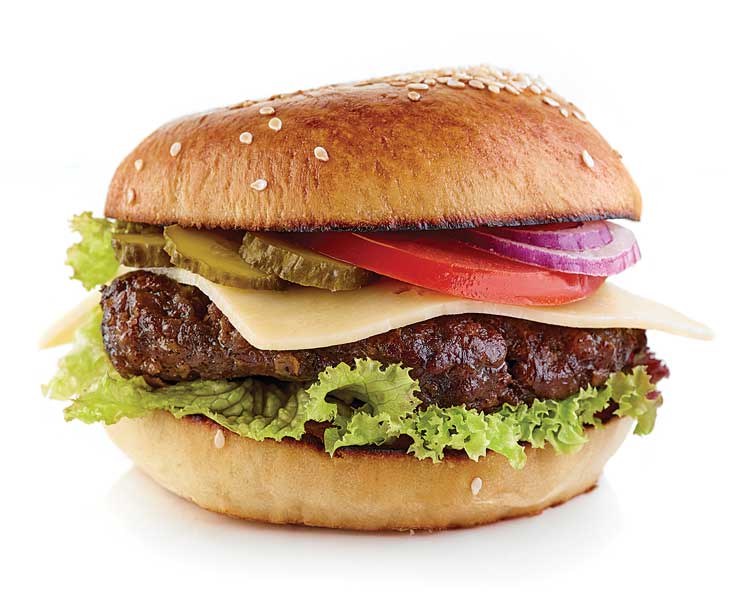
I got a few inquiries as to how to go about grilling without having everything stick. It’s true, it is easy to find your food sticking when grilling. Beef and other meats can stick, but it is usually chicken and fish that are the main culprits. There are few things more frustrating while grilling than going to flip your dinner and having half of it rip off, with the other half stuck to the grill.
Try Smitty’s recipes for Grilling Trout or Roast on the Grill
The trick to grilling is to think about the possible outcomes before you start so you have a much greater chance to get the outcome you’re looking for. First, think about when you are cooking in the house using a pan. The pan is clean; more often than not these days, it has a non-stick coating. Even with the coating, you will normally use at least a few drops of oil. Once you place the piece of fish or whatever you are cooking into the pan, you might swish it back and forth, oftentimes out of habit and not really for any particular reason. Now, once you have given that little swish, what do you do? You leave it alone for a few minutes to let it cook and you don’t keep flipping it or moving it.
When was the last time you cleaned your grill? I mean cleaned it so there are no little pieces of last night’s burgers.
Now, when was the last time you cleaned your grill? I mean cleaned it so there are no little pieces of last night’s burgers or tiny burnt-to-a-crisp pieces of fish from a few nights ago. What you are looking for is a smooth cooking surface.
Cleaning & season the grill
The normal way to clean your grill is to get it very hot and then use a grill brush to scrape off all the stuck-on stuff. That might get all the burnt-on pieces of food off, but as far as keeping the surface smooth, just imagine all the scratches the brush is putting on your grilling surface.
To season the grill, fold a thick cloth into fourths and dampen one side with a little oil and sprinkle it with a little salt. Make sure the grill is hot again. You might have to take the grilling rack off and brace it against a big rock or something. Using a little elbow grease, rub the cloth lengthwise along the grate. You can do this with the grate still over the fire, but it can flame up if there is too much oil and it can get hot. Repeat this process a few times.
OK, it’s time to cook. Again, first make sure the grilling surface is hot. You don’t put your dinner into a cold pan on the stove; you wait for the pan to get hot. What’s the next thing you would do in a pan? Once it is hot, you add a little oil and then place your fish or meat in it. Well, you are certainly not going to pour oil on your fire, but you can use the same technique as when you seasoned it. Pour a little oil on a thick rag and rub it lengthwise back and forth along the grill. Remember it is possible for it to flame up and fire is hot, so you can always use a pair of tongs to hold the rag.
Grilling technique
Slightly oil your intended piece of dinner and instead of just putting it on the grill, place it and slide it back and forth along the grate about an inch. If it slides with no problem, then you are good to go. If it does stick, repeat the oil rag swipe again.
Now leave it along for a few minutes. You want to caramelize the outside, which in effect will create a nice skin like searing a steak, that will keep the moisture in your dinner and also allow you to flip the food without it sticking.
For both fish and chicken, you can look at either and see the color change as it starts to cook. The lower half that is down facing the heat will turn more of a solid color rather than the raw, translucent side. As this color changes about one-third the way up, then you can flip it. If you want those nice crossed grill lines, turn it 180 degrees for a few more minutes and then flip it.
Enjoy the grill. Don’t fight with it and let it devour half your meal.


