


Growing vegetables in Tahoe can be difficult. Every spring, I prepare seedlings and when they are ready, I plant them in the garden. This year, I planted squash and tomato plants only to wake up and find them gnawed to the stem. The watermelon and strawberry seeds never saw the light of day. Little critters have become my nemesis. I found myself in a constant battle with squirrels and voles. They ate everything I planted. While some people have the gift of a green thumb, I’ve been reduced to growing only herbs.
“[Aeroponic gardens] use 95 percent less water than a traditional garden. The garden has a small footprint of only 3 feet. And you can grow pretty much anything that is not a root vegetable.” –Perry King
In a recent conversation with Perry King, a health coach, trainer and author of “Perry’s Plan It,” a plant-based pocket menu planner, she happened to mention her love of aeroponic gardens and how they changed her gardening life.
“I was with a company and they wanted people to test market a tower-garden aeroponic-growing system. I was always afraid of gardening and I would pretty much kill everything,” says King.
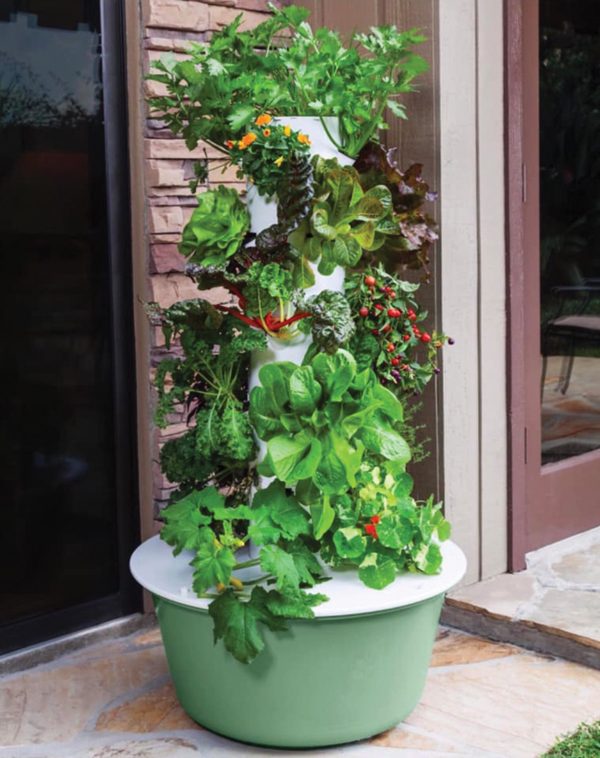
She set up the vertical system and started growing vegetables. Aeroponic gardens grow vegetables, herbs and flowers without soil. The technique is a form of hydroponics invented in the 1920s.
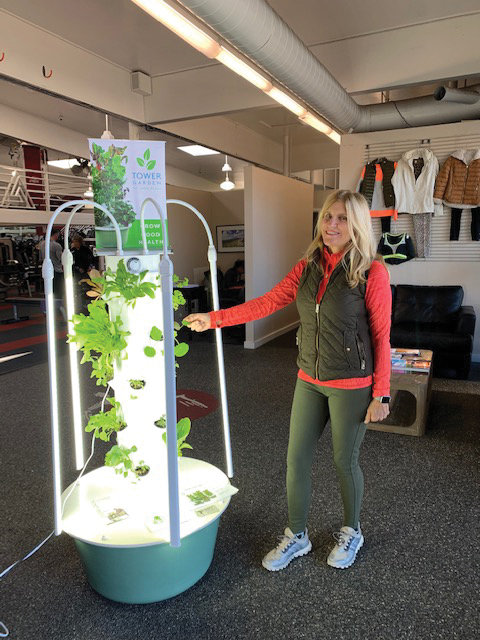
“I was producing tomatoes and lettuce and kale and dill and nothing was dying. I would get so busy, I would forget about it for a couple of weeks and the garden would still be living,” King says.
While gardening can take a lot of time, it also takes an enormous amount of water. King admits during a drought, aeroponic systems are excellent to use.
“They use 95 percent less water than a traditional garden. The garden has a small footprint of only 3 feet. And you can grow pretty much anything that is not a root vegetable,” she says.
That you can grow up to 32 different types of vegetables and herbs in a 20-gallon container with little water is an exciting opportunity for people who live in small dwellings or have a brown thumb. With California facing a terrible drought and the rising cost of produce, it’s a great alternative to grow vegetables using little water. Aeroponic gardens can live outdoors during the warm summer Tahoe months and can be brought indoors for the winter. There’s no digging or weeding.
“You get 30 percent more produce than a regular garden and vegetables grow about three times faster. It’s a closed system and the water comes up the middle and sprinkles the roots with the nutrients and water, which fosters a system of fast-growing plants. And the flavor of the vegetables tastes amazing,” King says.
Aeroponics has become increasingly more popular. It’s a great alternative to traditional gardening and farming. In the late 90s, NASA explored aeroponics as an option for growing food in soil-less environments. Several different types of aeroponic vertical gardens are on the market, and pricing varies depending on styles and sizes. For handier people, there is the do-it-yourself method. Sine it used less water, makes a small footprint and offers the ability to grow year-round, aeroponics well may be the wave of the future. Medicinal plants, herbs, fresh lettuces and vegetables can be grown by both the novice gardener and expert alike with an aeroponic garden.


