


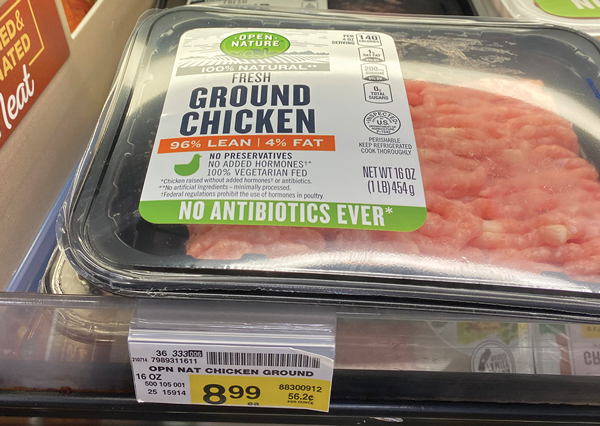
As I peruse the shelves of the supermarket, I note the prices and the increase in the cost of food since the pandemic. As someone who writes about food and cooks for a living, I am a shopper. I generally cook with organic products. I watch as the cost of meat and produce prices are on the rise. I pick up a 1-lb. package of ground lamb, which was $5.99 only a few months ago and is now $9.99. And it seems that the packaging of food is smaller, as well. In addition, items such as bacon, milk, eggs, coffee, strawberries and blueberry prices have all risen in price.
Be budget conscious; choosing meals that are inexpensive is one way to help ease the impacts on the pocketbook.
When speaking with potential clients, they wonder why it costs so much to have a party catered or meals delivered. The pandemic created shortages in the food chain supply and workforce. In California the drought has played a role in increased prices. Gas prices are on the rise: $5.09 per gallon in Truckee and $4.89 per gallon in Kings Beach (and likely higher by the time this goes to print). All of this has created a perfect storm for higher food prices.
According to Bureau of Labor Statistics, the food Consumer Price Index (CPI) in July 2021 in the West was 4.6 percent higher than it was in July 2020. The food at home CPI increased 4.0 percent and the food away from home CPI (eating at a restaurant) rose 5.3 percent in the same time frame for the West.
Be budget conscious; choosing meals that are inexpensive is one way to help ease the impacts on the pocketbook. Cooking from scratch is another one way to save money. Eating healthy is important and choosing organic products whenever possible is my suggestion. Organic is a bit more expensive but it’s possible to find organic products at a good price. Being a savvy shopper is essential. Buying imperfect fruits and vegetables at the farmers’ markets will reduce the price. Some supermarkets and health-food stores have a bin with cheaper produce.
Time is a factor and finding the balance between work and cooking is a challenge for many people. Here are some helpful tips when shopping that will help save money.
- Plan out meals for the week.
- Make a shopping list.
- Don’t shop when you are hungry.
- Shop the sales.
- If meats are on sale, stock up and freeze them.
- Clip coupons.
- Be mindful of the endcap aisles of grocery stores, which don’t always have the best prices.
- Cook with the seasons.
Make Meals that Matter
One-bowl meals, sheet-pan dinners, soups and stews can be prepared economically. They are filling, healthy and stretch the dollar more. Four to six ounces of protein and lots of vegetables will also reduce the cost of a meal.
As we move closer to the fall season, hearty squashes and root vegetables will become more abundant. They are healthy and easy to cook.
Beans | I’ve written endlessly on the virtues of Instant Pot. It saves time and is great for one-pot meals, steamed vegetables and can cook dried beans in no time. Beans are good protein and inexpensive.
Roasted vegetables | Heat the oven to 375 degrees F. Chop up onions, garlic, carrots, parsnips and butternut squash with a touch of olive oil, fresh herbs and salt. Add protein — or don’t — to enjoy a roasted vegetable sheet-pan meal. Roasted chicken with vegetables is also an easy meal and healthy.
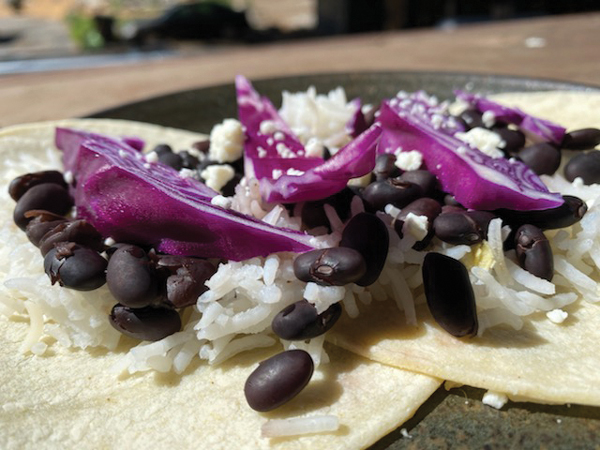
Tacos & casseroles | Tortilla casserole with rice, beans, veggies and cheese is delicious and easy on the pocket. Tacos with organic corn tortillas, fish, beef, chicken or beans can be prepared easily.
Make a bowl | Ramen bowls with miso soup and lots of vegetables can be made with tofu, meat or fish. Making stew with lesser cuts of organic meat can cut corners.
Quinoa bowls are fun to create and quinoa is packed with protein. Add kale, feta cheese, olive oil and spices.
Stir Fry | Stir-fried vegetable dishes with rice is another excellent meal that is healthy and easy to make.
Pasta is OK | Pasta is not the devil. Eat everything in moderation and enjoy the occasional bowl of spaghetti and meatballs, angel hair pasta with fresh tomato and basil sauce, vegetable lasagna or eggplant parmesan with penne.
Remember, buy organic whenever possible. Balance is the key with any diet and important when menu planning. Consider a vegetable-forward menu with some protein and whole grains. On the plate think 50 percent veggies, 25 percent protein and 25 percent whole grains or starches.


