This has been a winter of extraordinary weather patterns and snowfalls. So far, 2014 has had more snow fall in Detroit and Chicago than either city has had since 1884.
The north polar icecap has increased by 900,000 square miles. The surf in Southern California was estimated at more than 25 feet recently to the delight of every surfer within 100 miles of the coast.
Early last October, Crystal Mountain, about 75 miles southeast of Seattle, was able to open for skiing. Until early March, the snowfall was much less than normal, but since then it has snowed heavily. So much so that in late March a massive avalanche wiped out an entire chairlift.
In my many years of skiing and filming, I have seen some big snowfalls and read about others. One year in Zermatt, an avalanche wiped out a chalet while the family and guests were eating dinner. That chalet had stood there since the 1500s.
In 1952, in the Lake Tahoe Basin, it snowed 8 feet in one storm and then immediately it rained 8 inches, making the snow so heavy that it crushed the roofs of cars and blew out automobile tires by the hundreds. That same storm also collapsed the roofs of more than a hundred houses and cabins around the lake.
On a weekend in 1943, I skied at Mount Waterman, which is less than 50 miles from the Los Angeles city hall. It was a nice spring morning, bright sunshine and corn snow when the clouds arrived and almost immediately it started spitting snow. We were warned to quit skiing and get our cars out of there as soon as possible because it was going to be a big storm. During the next 24 hours it snowed 24 feet.
But, the biggest winter accumulation I have ever heard about was on Mount Baker, about 60 miles south east of where we live during the spring, summer and fall in the San Juan Islands next to the Canadian border. In that one winter, it snowed 99 feet. That’s right, 99 feet of snow. Try to imagine what that would do to your favorite ski resort? Where would you put it all?
Mammoth Mountain is probably the best equipped to handle deep snow, but the town would be destroyed with almost every roof caved in because there were just not enough people to shovel. Nearby Highway 395 would be impassable in both directions so supplies would be impossible and people could only eat what they had in their cupboards at the start of the storm.
What if Colorado got a storm of this magnitude? Ninety-nine feet of snow is nearly three times the height of a telephone pole so all of the electrical power would have to be shut off along I-70, as well as the entire western slope.
Some political activists are trying to save us from all of this kind of carnage by simply extolling the virtues of Carbon Tax Trades. But, maybe there is some way that you could buy and sell snow? That way when one ski area gets too much snow they could sell it to another resort without enough snow? How would they price snow? Would it be by the square foot, multiplied by the depth in inches with a surcharge for mileage to the destination? For those who are certain of global warming, this idea is as original as the prediction that the world as we know it is getting hotter. Just in the middle of March it was fifteen degrees below zero on my porch here in Montana.
I think the idea of selling snow futures has a lot going for it. A one-day lift ticket at most major ski resorts is $100 and when they sell a lift ticket to as many as 25,000 a day, one extra day of snow is a substantial amount of revenue.
Since I started skiing full time, as in every day from fall until spring, the traditional day of starting up the ski lifts has been the 15th of December and they usually shut them off the day after Easter. The shut off date is the big variable. That’s because Easter is the first Sunday after the first full moon after the Vernal equinox. Just like the start of the ski season can vary by a full month, that’s the end of the ski season unless you don’t mind climbing to make each turn. I did a lot of that the first 10 years I made ski movies in the 1950s, but then I discovered helicopters. Then I hired Don Brolin in 1964 and he did a lot of climbing in the spring with his magic camera while I switched gears and started to edit the tens of thousands of feet of film the two of us had already shot. We were busy for the next 40 years and totally grateful for all the snow that fell wherever we directed our cameras.
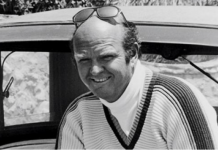
Warren Miller is history’s most prolific and enduring ski filmmaker. Visit warrenmiller.net or visit his Facebook page at facebook.com/warrenmiller.