


The concept of a signature wine began with certain countries attempting to grab some attention on a crowded world vino stage. The concept worked because it made a splash and made choices simple and clear for consumers: “One country equals one grape.” From the New World came Argentina equals Malbec, Australia equals Shiraz, New Zealand equals Sauvignon Blanc and Chile equals Carménère — among others.
Overall, it was and is a wonderful system that works for everybody. Producers get to focus on one varietal that they make quite well and consumers get a reliably good and unique wine at a fair price. What could be better? I’ll tell you what, second fiddle — or second label — wines are often even more unique and yummy than the signatures and greater bargains to boot.
Let’s start in South America where Argentina is introducing wines made from the Bonarda and Torrontés grapes. Torrontés produces complex interesting food-friendly white wines with flower notes, pleasant herbaceous-ness, tangy fruits and real vibrancy. Santa Julia and Alamos wineries’ versions are widely available for around $10.
In the high-elevation vineyards of the Andes, Bonarda creates a fresh, spicy, licorice-flavored red wine. In spite of its second-citizen status among reds in Argentina, it is a major player from both a volume and quality standpoint. It’s a little harder to find stateside, but El Enemigo and Cruz Alta brands are usually available at larger wine retailers.
We are now on to Chile where quality focus has moved to proximal ocean regions such as Leyda, San Antonio and Casablanca where Chardonnay and Syrah are taking center stage. The former Marques de Casa Concha consistently produces one of the world’s great bargains in Chardonnay that combines richness, freshness and spiciness that reminds me of the best producers from Santa Barbara’s Sta. Rita Hills AVA. Matetic Vineyards is a Syrah-focused winery from Chile’s San Antonio Valley that garners accolades worldwide year after year. Both can be had for about $25 and rival wines at twice the price or more.
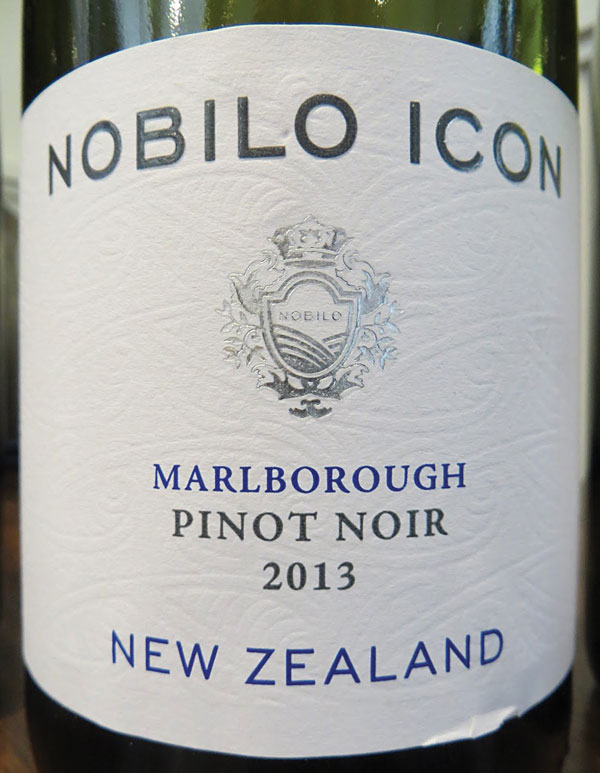
Yes, Virginia, they grow more than Sauvignon Blanc in New Zealand. Matter of fact, the new generation of Kiwi Pinot Noir, mostly from the south island, is rivaling the best from anywhere, especially in the $30 and under category. These Pinots offer real depth and deliciousness with classic dark cherries, spices and forest floor tones that reminds me of quality Willamette, Ore., Pinot. Three widely available can’t-miss options are Nobilo Wines Icon and Jules Taylor Wines from Marlborough and Mt. Difficulty’s Roaring Meg from Central Otago.
Spread your wine wings with these second fiddles and taste the joy.In the Aug. 30 issue, I will cover Old World second fiddle wines.


